
Cats might look calm and self-contained, but their moods can change in an instant.
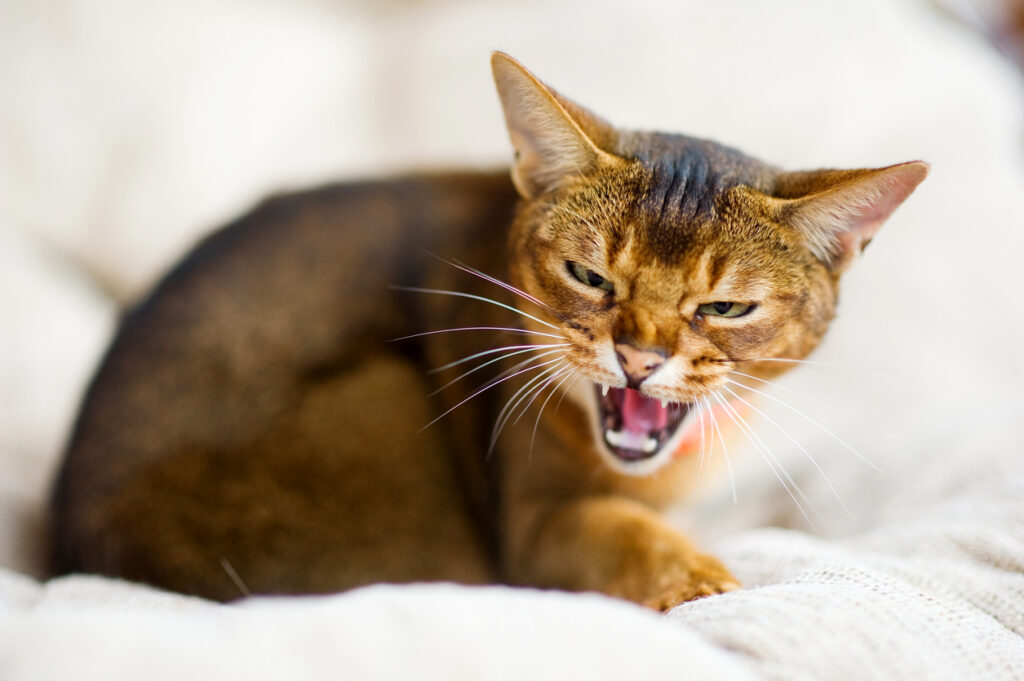
One minute they’re purring contentedly, the next they’re hissing, biting, or swiping without warning. It’s easy to write it off as them being unpredictable, but feline aggression usually has a reason behind it, and often, it’s something humans don’t recognise straight away.
Understanding what sets a cat off can make all the difference in keeping the peace at home. From overstimulation and sudden noises to territorial disputes and medical issues, there are plenty of hidden triggers that can turn affection into agitation. Learning to spot the signs early helps you protect your hands, your furniture, and your relationship with your cat.
1. Petting them for too long or in the wrong spots
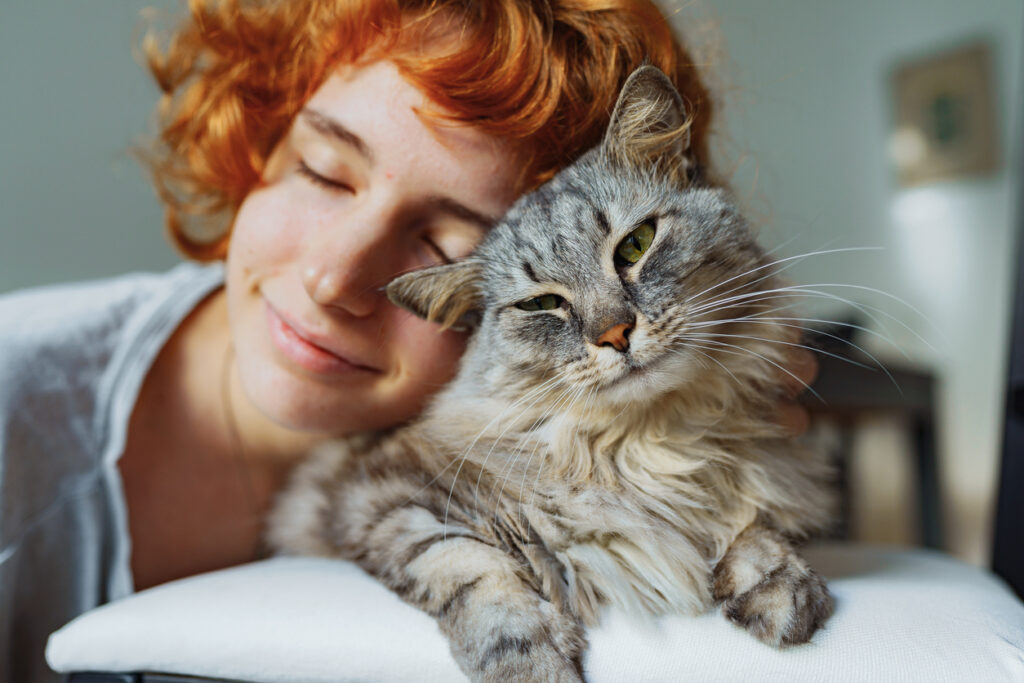
Cats have a petting threshold, and once you cross it, they’re done. Some cats tolerate about 30 seconds before they’ve had enough, others are fine for ages. The base of the tail, belly, and back legs are particularly sensitive spots that most cats hate being touched. You’ll often get warning signs like tail twitching or ears going back, but if you miss them, you’re getting bitten or scratched.
2. Staring directly into their eyes
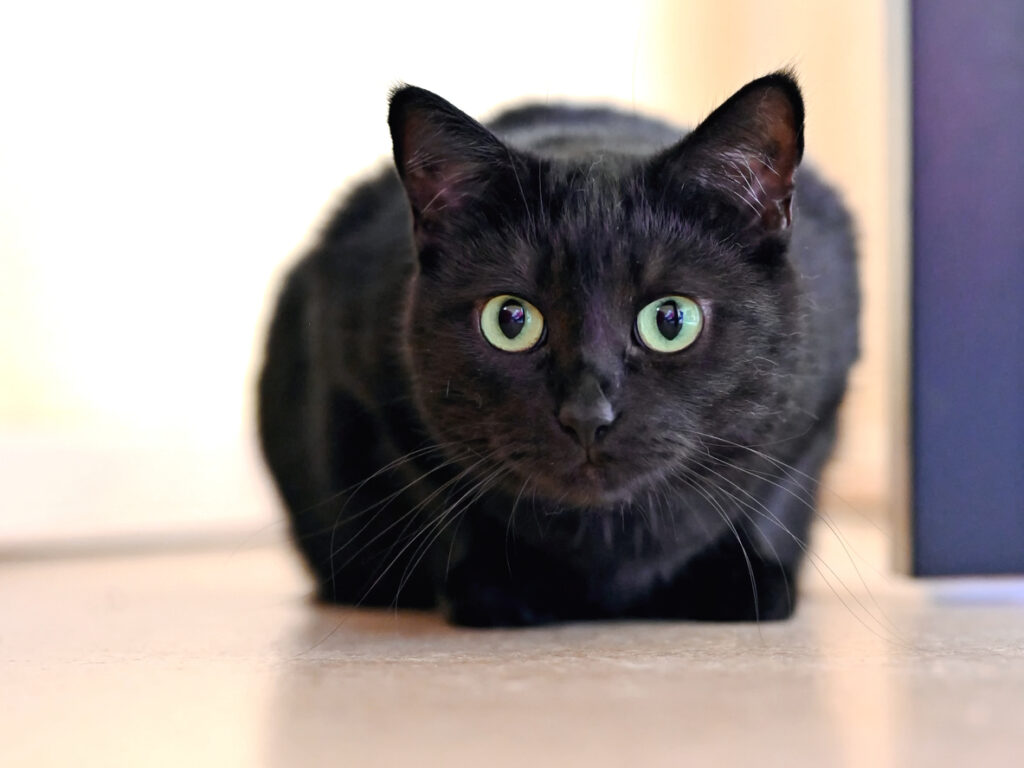
In cat language, staring is threatening behaviour. When you lock eyes with a cat, especially one you don’t know well, they read it as aggression or a challenge. This is why cats always go to the person who’s ignoring them at parties because that person isn’t staring and seems safe. If a cat’s giving you a hard stare back, they’re not being friendly, they’re warning you off.
3. Sudden loud noises or unexpected movements
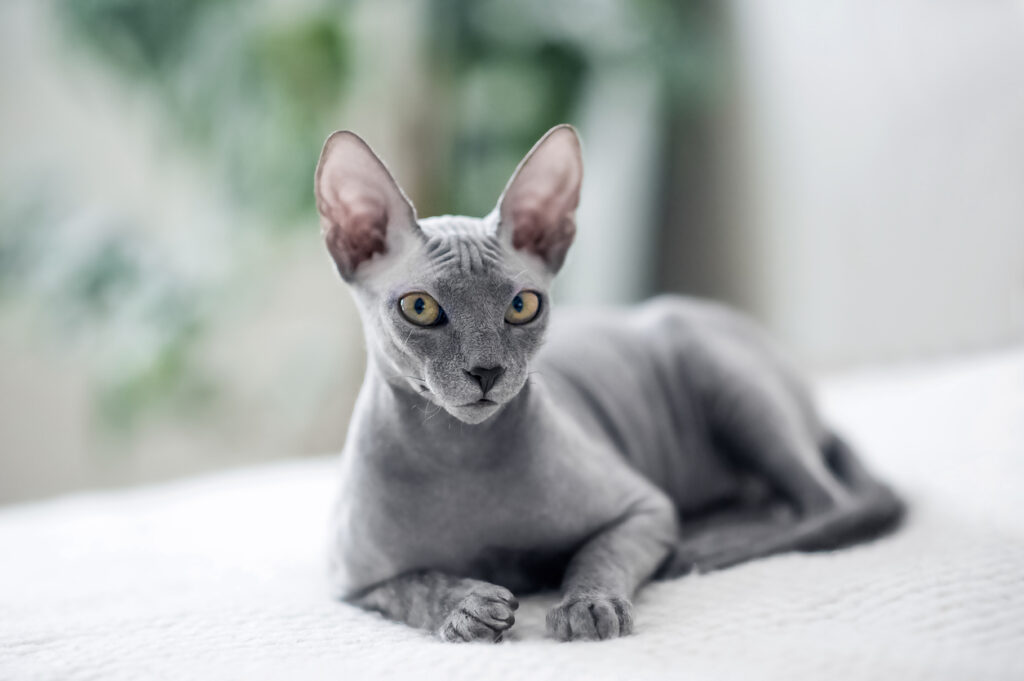
Cats are naturally jumpy because they’re both predators and prey in the wild. Sudden noises like doors slamming, things dropping, or you moving quickly near them can trigger their fight-or-flight response. If they can’t run away, they might lash out instead. This is why cats sometimes attack seemingly out of nowhere when you’ve just made a noise or movement they weren’t expecting.
4. Other cats visible through windows
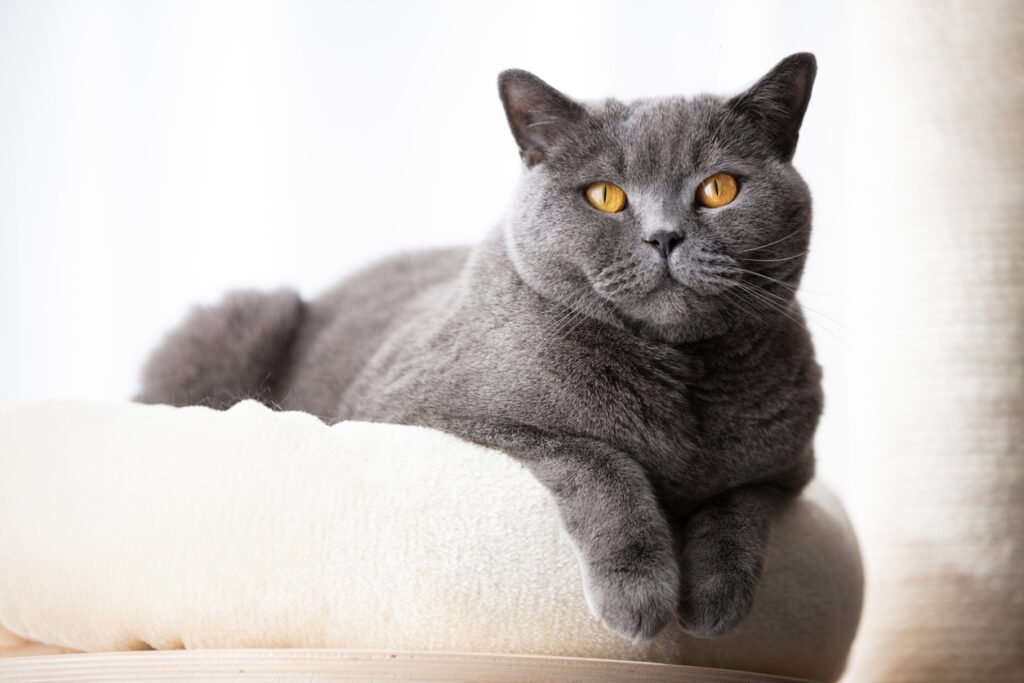
When your cat sees another cat outside, they get frustrated because they can’t get to it to defend their territory. This frustration often gets redirected onto whoever’s nearest, which is usually you or another pet. It’s called redirected aggression, and it can happen hours after they’ve seen the outside cat. Your cat doesn’t hate you, they’re just wound up and taking it out on the nearest target.
5. Being restrained or held when they want to leave
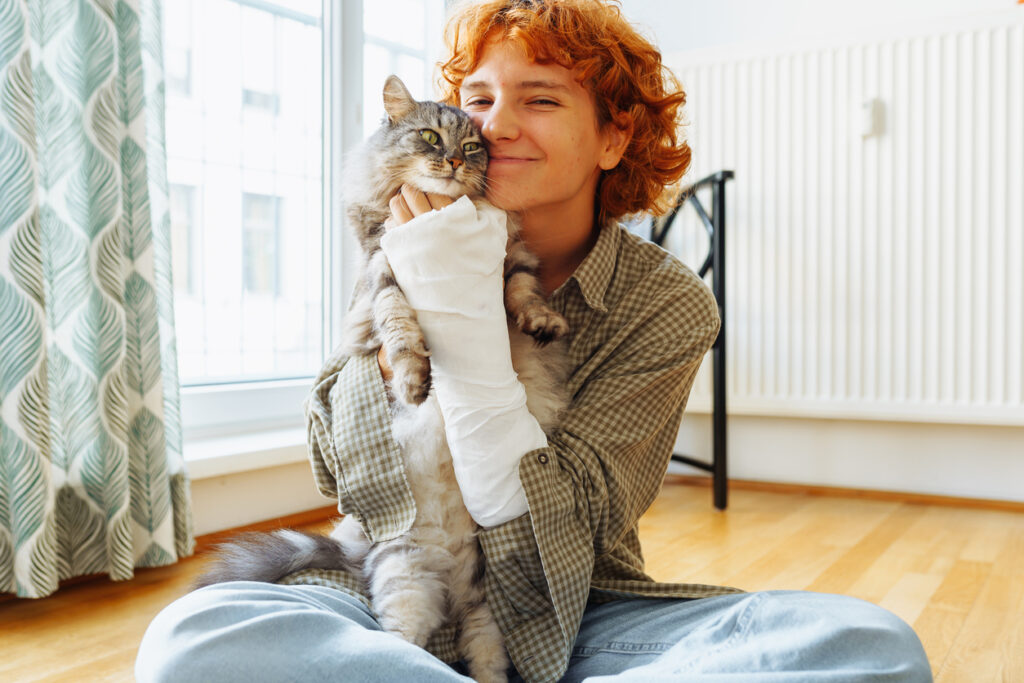
Cats are control freaks who need to feel like they can escape at any time. When you hold them against their will or trap them somewhere, they panic and become aggressive. This is why trying to hold a struggling cat for nail clipping or medicine often ends with you getting shredded. They’re not being difficult, they’re genuinely frightened of being restrained.
6. Pain or illness you can’t see
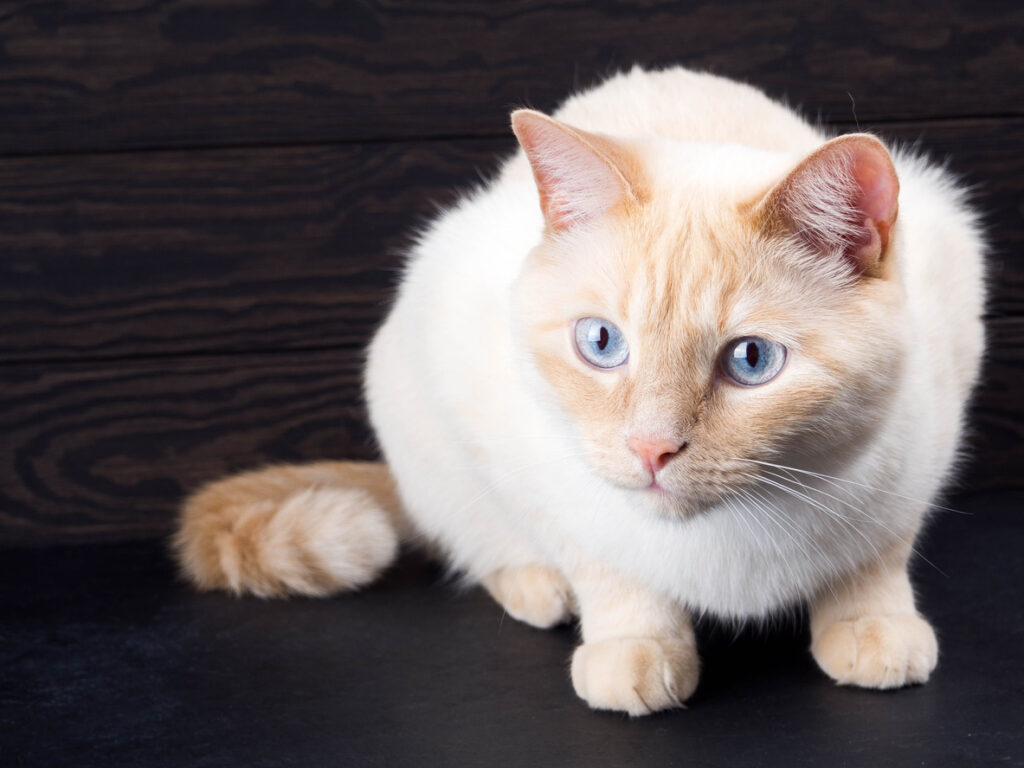
A cat that’s suddenly aggressive might be in pain from something you can’t spot. Dental problems, arthritis, urinary infections, and loads of other health issues can make cats snappy. If your normally calm cat starts lashing out, especially when touched in certain areas, they probably need a vet check. Cats hide pain really well, but aggression is often how it shows up.
7. Playing too roughly with them as kittens
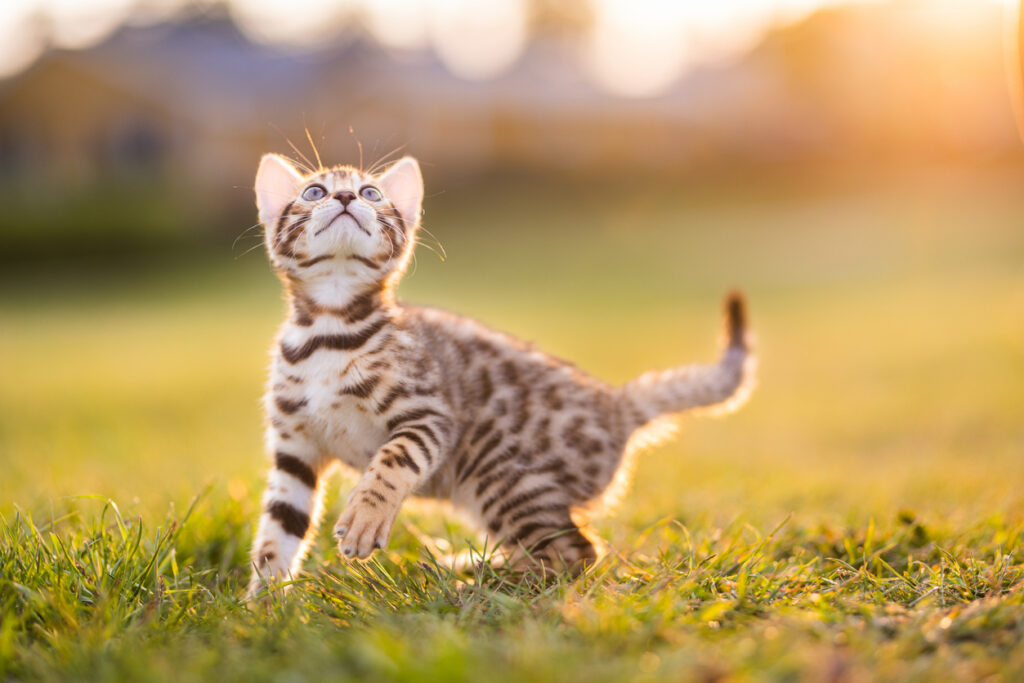
If you teach a kitten that hands and feet are toys by wrestling with them or letting them attack your fingers, you end up with an adult cat who thinks attacking humans is normal play. They don’t understand that their claws and teeth hurt more as they get bigger. Kittens need to learn that hands are for gentle petting only, not for rough play, or you’ll have an aggressive adult cat.
8. Invading their personal space whilst they’re eating

Lots of cats are protective of their food and don’t want you near them whilst they’re eating. Getting too close to a cat who’s eating, especially if they’re already anxious, can trigger food aggression. They might hiss, swat, or bite to protect their meal. It’s leftover survival instinct from when they had to defend their food from other animals.
9. Trying to touch their belly
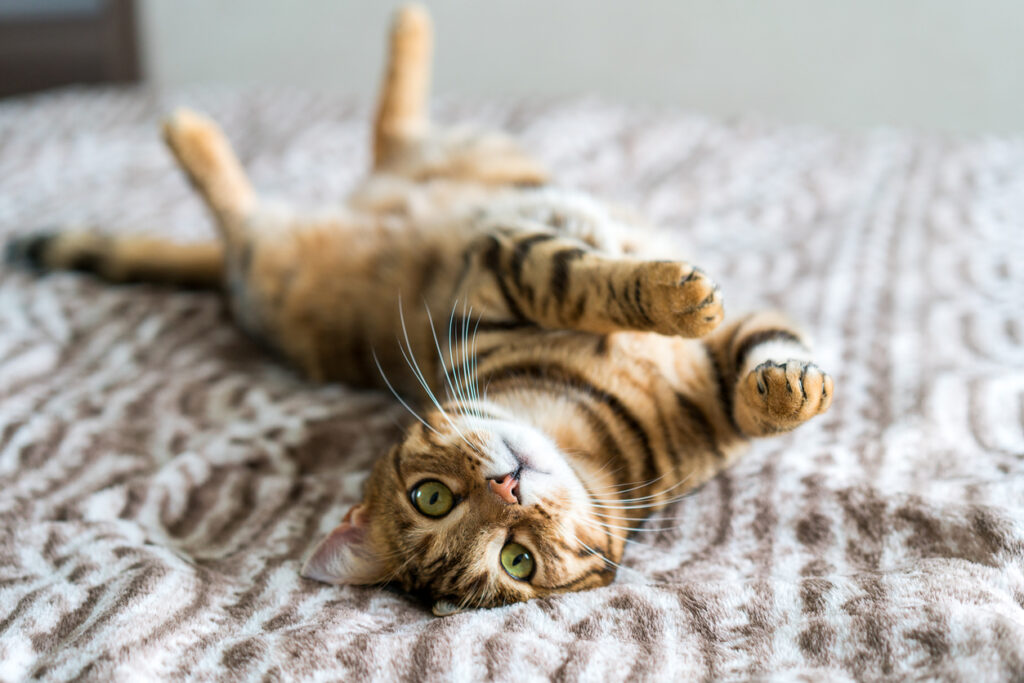
When a cat rolls over and shows their belly, it’s not an invitation to rub it like you would with a dog. For most cats, the belly is a vulnerable area they protect fiercely. They’re showing trust by exposing it, not asking you to touch it. Go for the belly, and you’ll probably get grabbed with all four paws and bitten. It’s a trap that cat owners fall for constantly.
10. Moving their stuff or changing their routine
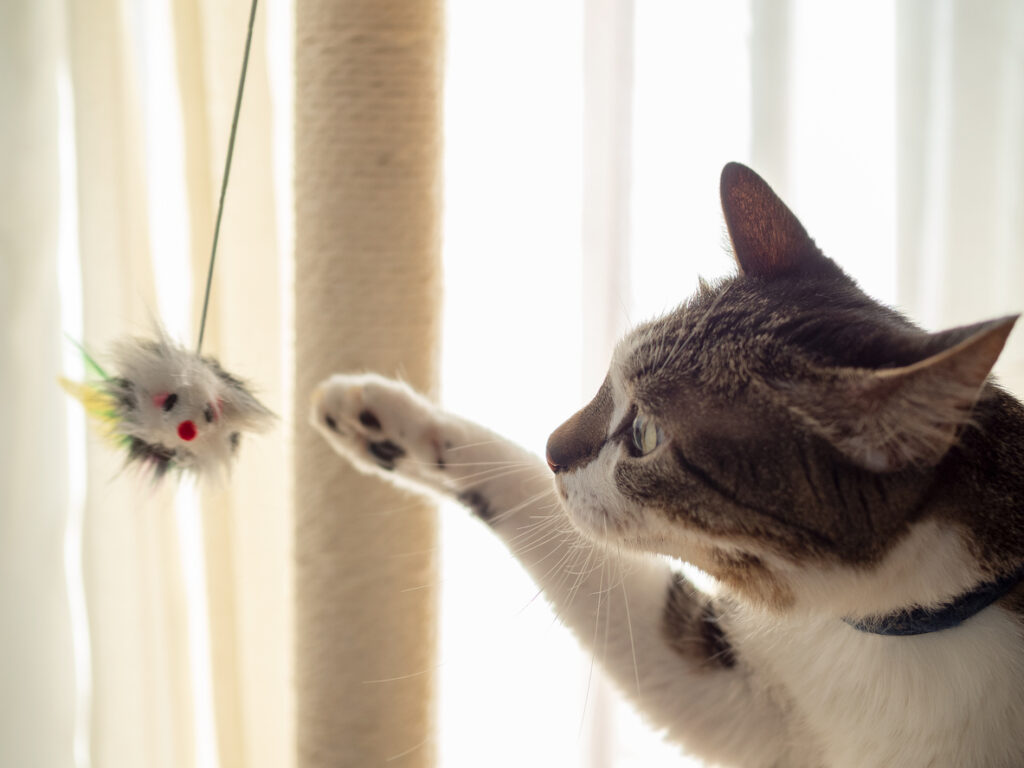
Cats are creatures of habit who get stressed when things change. Moving their litter tray, food bowls, or favourite sleeping spots can make them anxious and aggressive. Big changes like moving house or new people in the home are even worse. They need time to adjust to changes, and some cats respond to stress by becoming snappy and defensive.
11. Overstimulation from play
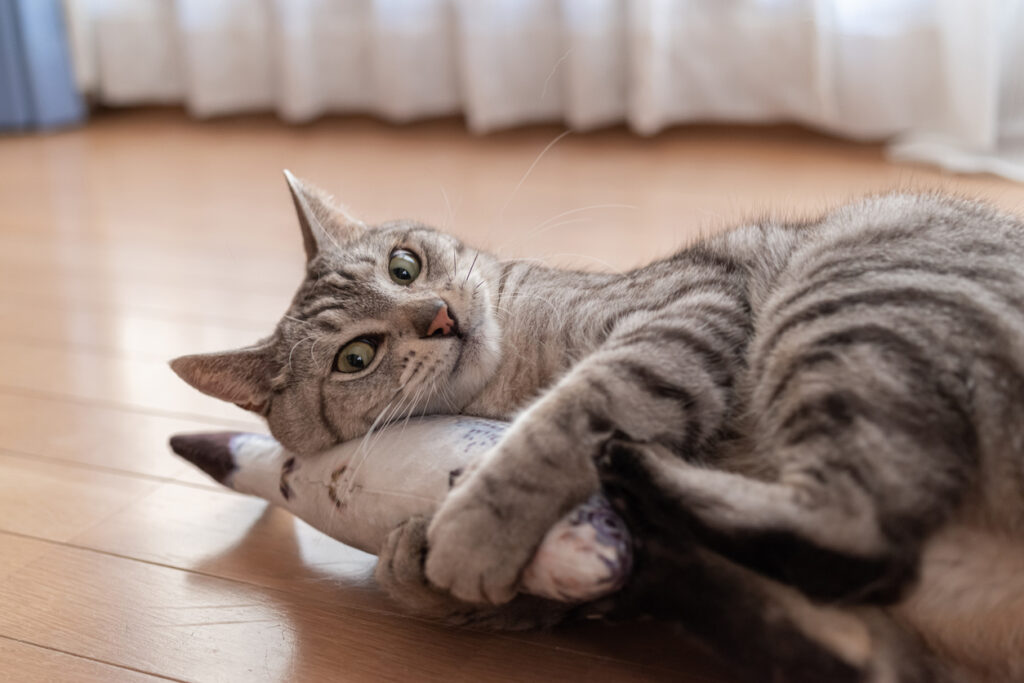
Playing with a cat can wind them up so much that they cross over from playful to aggressive without you noticing. Their pupils dilate, their movements get more erratic, and suddenly, they’re attacking for real instead of playing. This happens especially with laser pointers or feather toys that get them really excited. They get so amped up that they lose control and redirect that energy onto you.
12. Being cornered with no escape route
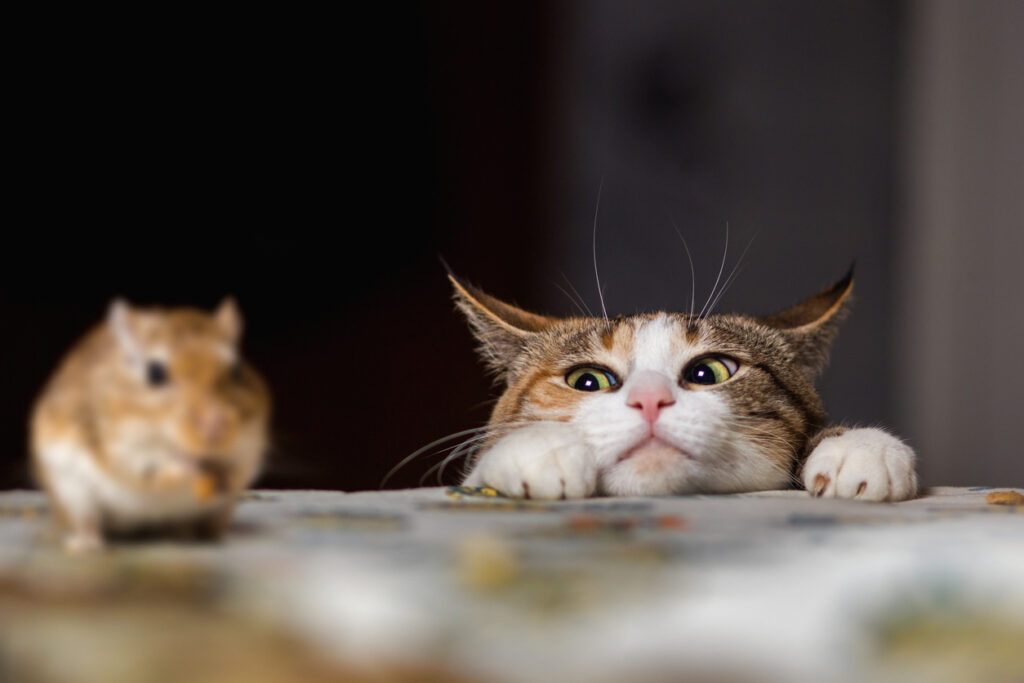
If a cat feels trapped, they’ll fight their way out. This happens when you back them into a corner, block their exit from a room, or approach them when they’re hiding under furniture. They need to know they can run away, and if they can’t, they’ll come out fighting. Never trap a scared or angry cat because you’re forcing them to choose aggression as their only option.
13. Strong smells on your hands
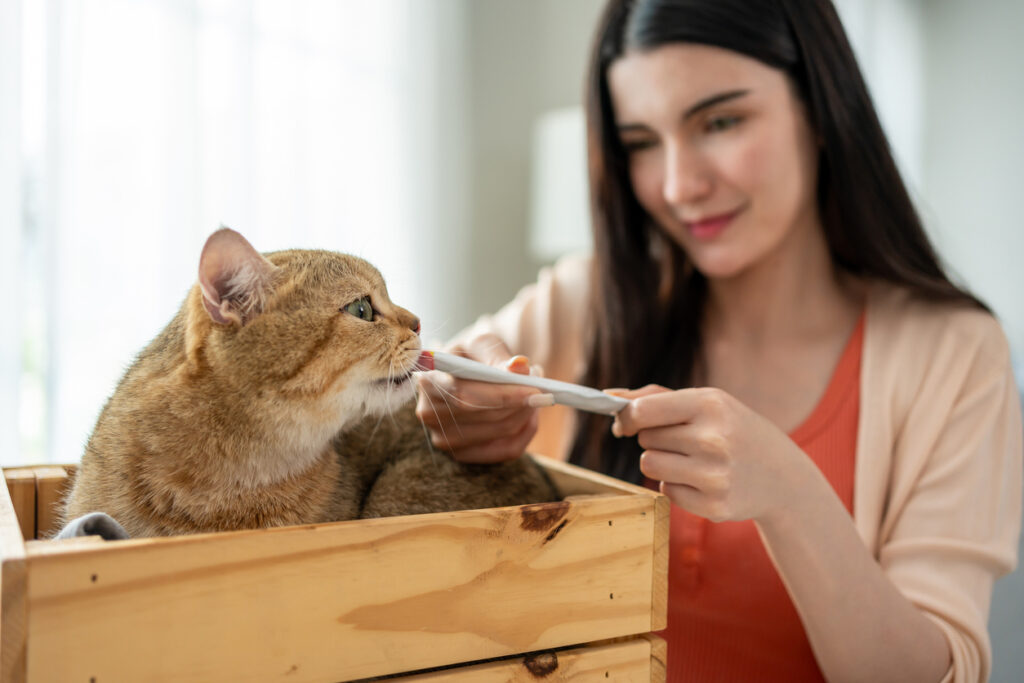
Cats have an incredibly sensitive sense of smell, and certain scents can make them aggressive. Strong perfumes, cleaning products, or even the smell of another cat on your hands can trigger them. Sometimes you’ll go to pet your cat, and they’ll suddenly bite you because your hands smell wrong to them. They’re not attacking you, they’re attacking the weird smell.
14. Boredom and lack of stimulation
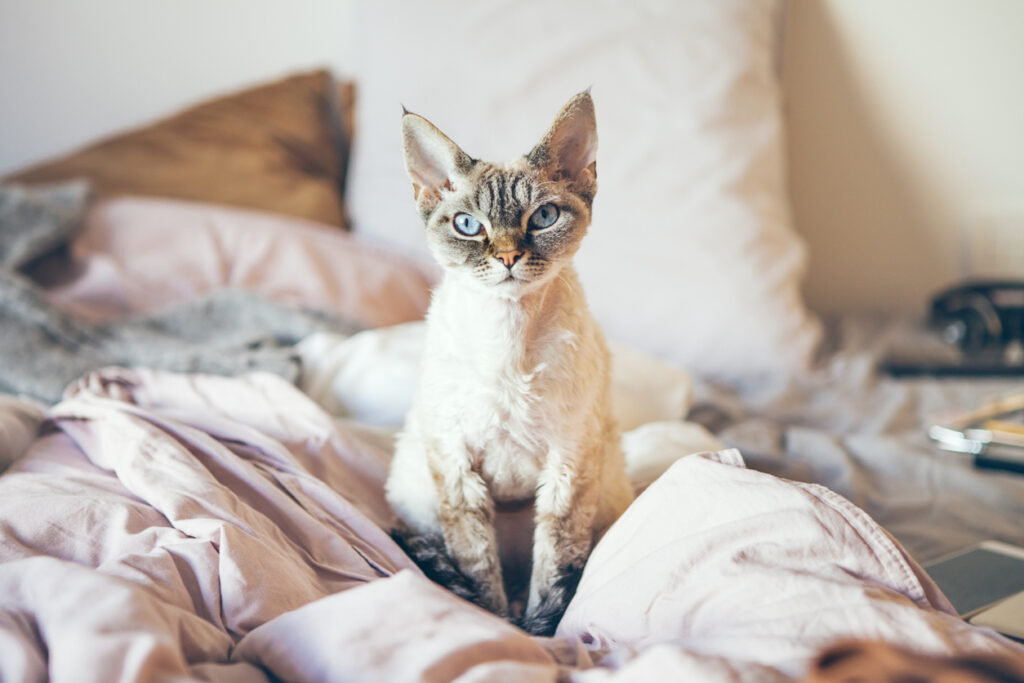
Cats are hunters who need mental and physical stimulation. A bored cat with pent-up energy often becomes aggressive because they’ve got no proper outlet for their natural behaviours. They’ll stalk and attack you as if you’re prey because they’ve got nothing else to hunt. Indoor cats especially need toys, climbing structures, and regular play sessions, or they’ll take their frustration out on your ankles.