
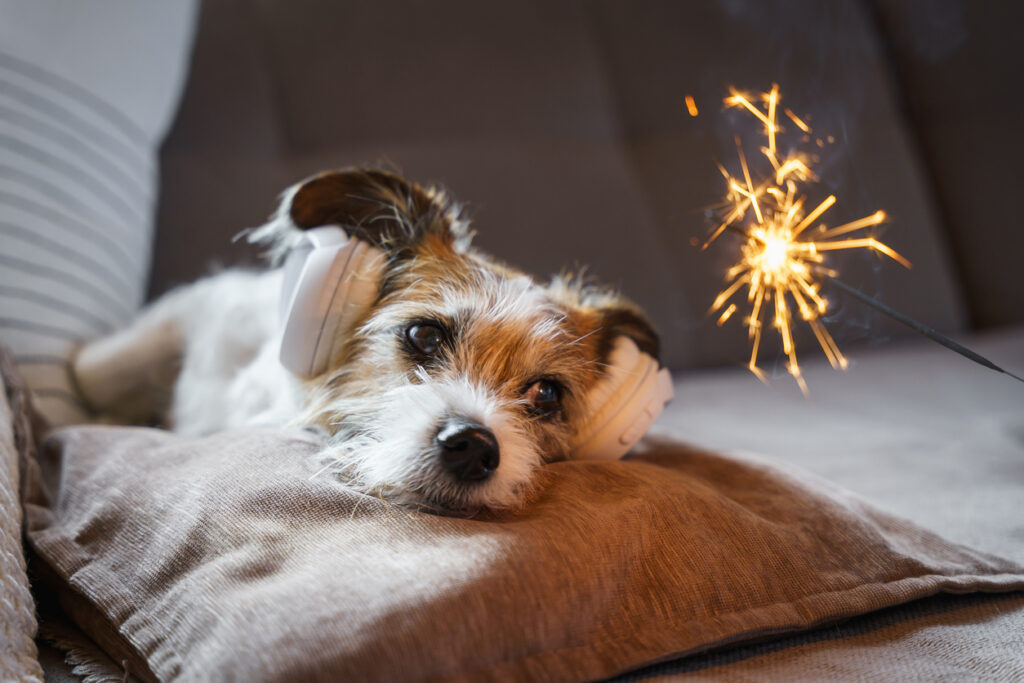
For some people, Bonfire Night is a highlight of the year, with crackling bonfires and skies full of colour. But for many pet owners, the firework season means weeks of trembling dogs, hiding cats and sleepless nights. Now the government is considering cutting how loud fireworks sold to the public can be. Here’s what’s being proposed, what both sides are saying and how you can help your pets cope this year.
Fireworks season keeps getting longer.
Many pet owners say firework season no longer lasts just one night. Bangs can start in October and carry on until well after New Year. For animals that are scared of loud noises, that can mean months of stress.
Some owners go to great lengths to protect their pets, from soundproofing windows to staying in their bedrooms with their dogs every evening. Others have even taken their animals away from home altogether to escape the noise. Fireworks bought in shops can currently be as loud as 120 decibels, which is louder than a car horn at close range.
Government proposals could provide comfort for pet owners across the UK.
The government has just finished asking the public for views on making fireworks quieter. Its main proposal is to cut the maximum noise of fireworks sold to the public from 120 decibels to 110 decibels. It says this would make them sound roughly half as loud. It also asked whether the limit should drop further, to 100 or even 90 decibels. Louder fireworks would still be allowed at professional public displays. The government has said a complete ban on people buying fireworks wouldn’t be fair.
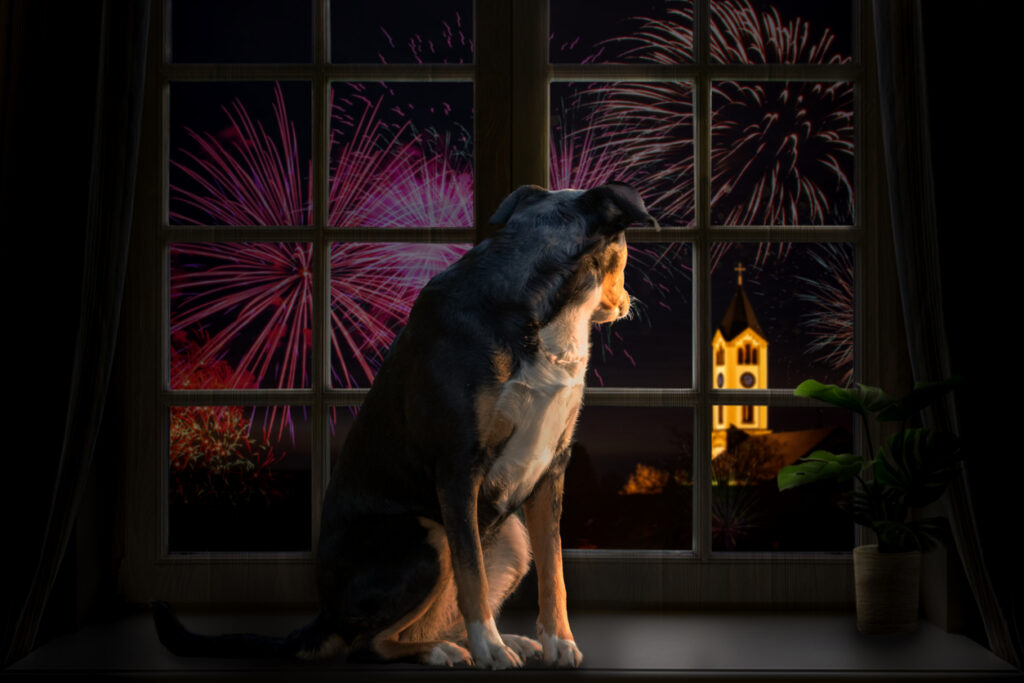
Government polling found that 91% of people who responded supported changes to the rules. Among those who disliked firework noise, nine in ten said it was because of the effect on animals. Many also mentioned the impact on peace and quiet in their area and on vulnerable people.
Two petitions, one calling for a 90 decibel limit and another for fireworks to be sold only for council-approved events, each gathered more than 180,000 signatures. MPs debated both earlier this year. Any changes will still need approval from Parliament before they become law.
There’s an argument for keeping the bang.
Not everyone wants fireworks to go quiet. Bonfire Night has been celebrated in Britain since 1605, and many people see the noise as part of the fun. The fireworks industry says around 20 million people enjoy them each year and supports thousands of seasonal jobs.
Some in the industry argue that most problems, such as people setting off fireworks late at night, are already against the law. They’d prefer better enforcement of existing rules over new limits. They also point out that schools and scout groups often raise money through their own fireworks events.
Quieter alternatives are catching on.
Some communities are already choosing low-noise displays or laser shows instead of traditional fireworks. Laser shows use coloured beams of light and music, creating a spectacle without the sudden bangs. In one New Forest village, a school is hosting a laser show this month near fields where horses graze.
Several towns, including Oxford, Ringwood, and Weymouth, have added quieter displays alongside their usual fireworks. These can be a great option for families with young children, people with sensitive hearing and anyone worried about animals nearby. However, some people still prefer a traditional display.
Helping dogs through firework season
Walk your dog during daylight, before fireworks are likely to start. Once it’s dark, keep them indoors with doors and windows shut and curtains closed. Playing the television or calming music can help mask the bangs.
Set up a cosy den in a quiet part of the house, with blankets and familiar toys, where your dog can hide if they want to. Let them come to you for comfort, but stay calm yourself, as dogs pick up on our mood. Never tell them off for being scared, and make sure their microchip details are up to date in case they bolt.
Caring for cats, small pets and horses
Keep cats indoors from before dusk, with a litter tray available, and give them high places or boxes to hide in. Don’t try to coax a frightened cat out of a hiding spot. Most will settle in their own time once the noise stops.
Rabbits, guinea pigs and other small pets kept outside should be moved indoors or into a quiet garage or shed if possible. If they must stay outside, partly cover the hutch with a blanket and give them extra bedding to burrow into. Horse owners should check fencing is secure and keep to a familiar routine.
Planning ahead is always a good idea.
If your pet is very frightened of fireworks, speak to your vet well before the season starts. They may suggest calming products, medication, or a sound training plan, which works best when started months in advance. Ask neighbours to let you know if they’re planning to set off fireworks so you can prepare.
In England and Wales, fireworks can’t be set off between 11pm and 7am, except on certain nights such as Bonfire Night, New Year’s Eve, Diwali and Chinese New Year, when later times are allowed. If you’re having your own celebration, consider choosing quieter fireworks and telling neighbours in advance. A little thought can make a big difference to the animals living nearby.