
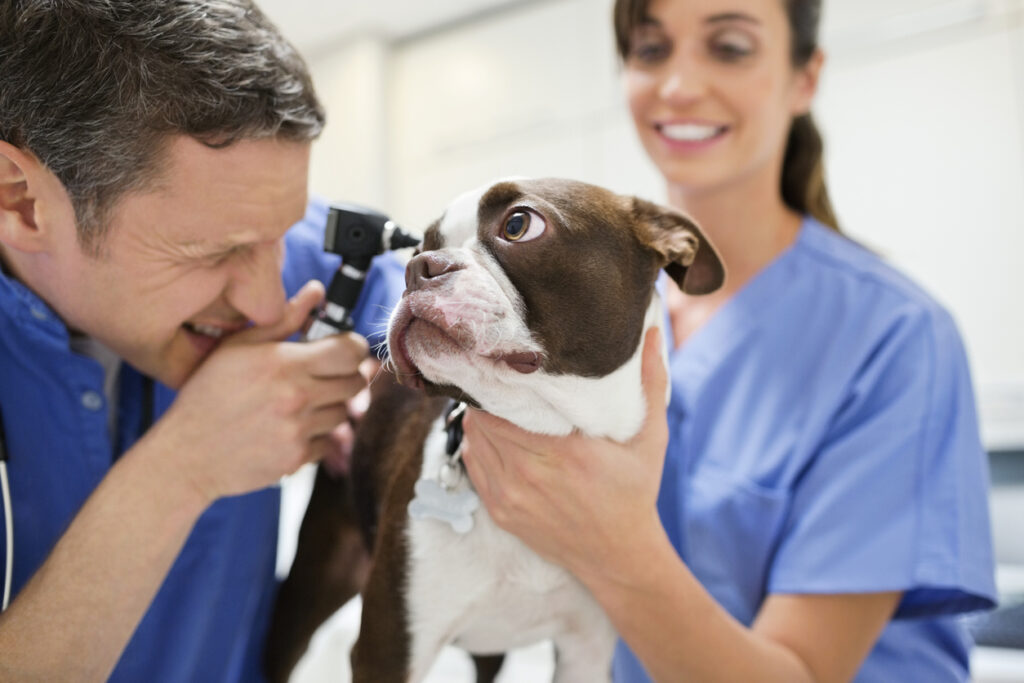
Pet owners are set to see big changes at their local vet practice over the coming months. New rules mean the cost of written prescriptions will be capped, and vets will have to be much clearer about their prices. The changes follow an investigation by the UK’s competition watchdog, which found vet prices had been rising at almost twice the rate of inflation. Here’s what’s changing, when it will happen and how it could affect your pet’s care.
The Competition and Markets Authority, which makes sure businesses compete fairly, has spent time looking into the vet industry. It found that prices had climbed far faster than the cost of living. Many pet owners also said they found it hard to compare prices or understand what they were paying for.
The investigation also found that six large companies now own more than two-thirds of vet practices in the UK. Many owners don’t realise their local vet is part of a bigger group. The new rules are designed to make prices clearer and help people make informed choices.
Prescriptions are finally becoming more affordable for pet owners.
If you ask your vet for a written prescription so you can buy medicine elsewhere, the first one will now cost no more than £21.40. Any extra prescriptions written during the same appointment will be capped at £12.70. From April 2028, these limits will rise each year in line with inflation.
Vets will also have to tell you if the medicine your pet needs is available more cheaply online. Buying medicines elsewhere can save you a lot of money, especially for pets on long-term treatment. That could make a big difference for owners of older animals or those with ongoing health conditions.
Clearer prices and estimates must be provided.

Vet practices will need to publish a full price list for standard services. This includes things like consultations, common operations and cremation options. Having prices in plain sight should make it easier to compare practices.
If your pet needs treatment expected to cost £500 or more, your vet must give you a written estimate first. This should include aftercare costs, and you’ll also get an itemised bill afterwards. The only exception is in an emergency, when there may not be time.
You have the right to know who owns your veterinary practice.
Practices will now have to make clear whether they’re independent or part of a larger group. This helps owners understand who they’re dealing with. Some people prefer to support small, local businesses, while others are happy with bigger chains.
Price and ownership details will also be shared through the official Find a Vet service, run by the profession’s regulator. Comparison websites will be able to use this information too. That should make it much easier to shop around for the best value in your area.
When will the changes happen?
The new rules became legally binding in September, but vet practices have up to 12 months to bring in all of the changes. The exact timing depends on the rule and the size of the business. That means you may see some changes at your vet sooner than others. Many practices say they already follow some of the new rules, such as giving estimates for routine treatment. If you’re unsure, simply ask your vet what they’re doing.
There are concerns from smaller practices.

Not everyone welcomes the changes. Some independent vets worry they’ll be hit hardest. They say that if they make less money from medicines, they may need to raise prices for things like consultations and operations.
Practices still need to keep a fully stocked pharmacy for emergencies, which costs money. Some vets believe large groups will cope better with the changes than small, family-run practices. Critics also point out that the new rules don’t require big companies to sell off any of their clinics.
Talking to your vet about cost shouldn’t be stressful.
If you’re worried about paying for your pet’s care, be honest with your vet about what you can afford. Many vets can suggest different treatment options to suit your budget. Telling them early helps them find the best solution for you and your pet.
Don’t be afraid to ask questions about a diagnosis or treatment plan. If you’re unsure, getting a second opinion from another practice is your right. Some owners have found a different vet suggested a simpler, cheaper treatment.
There are a few simple ways to save on vet bills.
Ask for a written prescription and compare prices at online pet pharmacies. Only buy from registered UK retailers, and look for the logo showing they’re part of the government’s accredited internet retailer scheme. This helps make sure the medicines are genuine and safe.
Pet insurance can help cover unexpected costs, but check what’s included before you buy. Some practices offer health plans that spread the cost of routine care, such as vaccinations and flea treatment. If you receive certain benefits, charities such as the PDSA, RSPCA and Blue Cross may be able to offer free or low-cost treatment.