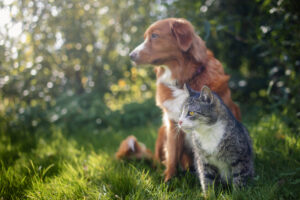

The Truth About Whether Dogs Feel Loneliness

You leave for work and your dog gives you those sad eyes, making you feel absolutely terrible. They look absolutely devastated and betrayed by the fact that you’re leaving them behind, and it’s heartbreaking. However, are they actually lonely, or are we projecting human emotions onto them? Here’s what science actually says about dogs and loneliness. Dogs are pack animals by nature. Dogs evolved from wolves who live in social groups, so being alone goes against their fundamental nature. They’re hardwired to want company and feel stressed when isolated from their pack, which in domestic life means you and your family. That pack mentality means dogs genuinely do feel distress when left alone for long periods. It’s not manipulation or attention seeking, it’s a real emotional response to separation. Your dog isn’t being dramatic; they’re experiencing genuine discomfort from isolation. Separation anxiety is real and measurable. Scientists can actually measure stress in dogs through cortisol levels, heart rate, and behaviour. Dogs left alone often show elevated stress markers, destructive behaviour, excessive barking, and pacing. These aren’t just bad habits, they’re physical manifestations of distress. Not all dogs experience separation anxiety to the same degree, but many do struggle with being alone properly. The symptoms are consistent enough that vets recognise it as a legitimate condition needing treatment. Your dog’s reaction to you leaving isn’t just learned behaviour. Dogs experience boredom, which feels like loneliness. Even if your dog isn’t anxious, being alone for hours with nothing to do is boring as hell. Dogs are intelligent, social creatures who need mental stimulation. Long periods of nothing happening with no one to interact with feels miserable to them. The boredom of isolation can lead to depression in dogs. They sleep more, show less interest in things they usually enjoy, and generally seem flat. It’s not dramatic to say dogs get lonely, they genuinely do struggle with extended periods without stimulation. They form strong attachments to specific people. Dogs don’t just bond with humans in general, they form deep attachments to specific individuals. When you’re gone, they’re not just missing having a human around, they’re missing you specifically. Brain scans show their reward centres light up for your scent. That attachment means your absence is felt more keenly than just any person being gone. Your dog isn’t interchangeable about who keeps them company. They want you, and when you’re not there, they feel that loss like you’d miss a close friend. Time perception affects how they experience your absence. Dogs don’t understand time like we do. They can’t rationalise that you’ll be back in eight hours. Five minutes or five hours might feel similarly endless because they can’t conceptualise when you’re returning, making even short absences potentially stressful. Their lack of understanding about time means every departure might feel permanent to your dog. They don’t know whether you’re popping to the shops or gone forever. The relief they show when you return is genuine because they didn’t know you’d come back. Some breeds are more prone to loneliness than others Working breeds and companion breeds were specifically bred to be with humans constantly, so being alone is particularly hard for them. Breeds like spaniels, retrievers, and toy breeds often struggle more with isolation than independent breeds like huskies or certain terriers. If you’ve got a velcro dog who follows you everywhere, they’re probably suffering more when alone than independent breeds. It’s not weakness, it’s literally what they were bred for. Expecting them to happily tolerate isolation goes against their genetic programming completely. Dogs show physical symptoms of missing you. When dogs miss their owners, they often lose appetite, seem lethargic, or get physically ill. These aren’t fake symptoms for attention, they’re genuine physiological responses to emotional distress. The mind body connection in dogs is strong, and loneliness manifests physically. Dogs who are chronically lonely can develop depression, which affects their immune system, digestion, and overall health. It’s not just emotional, it’s physical. Prolonged loneliness actually makes dogs sick, which proves it’s a real experience they’re having. They use scent to feel connected to you. Dogs often sleep on your clothes or bed when you’re gone because your scent comforts them. This isn’t just cute behaviour, it’s them self soothing by surrounding themselves with something that smells like you. It’s their way of coping with absence. The fact that they seek out your scent specifically shows they’re missing you, not just any human presence. They’re trying to fill the void your absence creates by immersing themselves in something that reminds them of you, which is quite heartbreaking, really. Other animals can help, but don’t completely replace you. Having another dog or pet can reduce loneliness somewhat by providing company and social interaction. But studies show dogs still show signs of missing their human even when another animal is present. The other pet helps, but doesn’t eliminate loneliness. This suggests dogs experience different types of bonds. The relationship with their human is unique and can’t be fully replaced by another animal. It’s like how having friends doesn’t stop you missing your partner. Different relationships serve different needs. Your dog’s behaviour when you return tells the story. The over the top greeting when you get home isn’t just excitement, it’s relief. The jumping, spinning, and general losing their mind is them expressing how much they missed you. That level of joy comes from the depth of distress they felt. If your dog didn’t miss you, they wouldn’t react like you’ve returned from war every time you get home. That greeting is proportional to how much your absence affected them. The bigger the greeting, the more they struggled with being gone. Modern life isn’t designed for dogs’ social needs. Historically, dogs worked alongside humans all day or stayed with family groups, where someone was always home. Modern work schedules leave dogs alone for eight plus hours daily, which is genuinely tough for them considering what they were bred for. This isn’t to make you feel guilty,

The Truth About Whether Dogs Feel Loneliness Read More »

Should Pets Sleep On Your Bed?

The great bed-sharing debate divides pet owners into two camps: those who think their furry friends belong anywhere they want to sleep, and those who believe beds are strictly human territory. The truth is that there’s no universally right answer, but there are definitely some practical things to think about that might help you figure out what works for your household. Your sleep might actually get better. Loads of pet owners say they sleep better with their animals nearby because having a beloved companion there can calm anxiety and make the night feel less lonely. The steady breathing and warmth of a pet can be genuinely soothing, like having a living hot water bottle that purrs or sighs contentedly. However, this really depends on whether your pet is actually a good bedmate or a restless nightmare. A chill cat who sleeps through the night is completely different from a dog who flips around every hour or decides 2am is the perfect time for an intensive paw-licking session. Some pets are surprisingly clean. Despite what people think, many pets are actually quite hygienic, especially cats who spend half their day grooming themselves into submission. Indoor pets who get regular baths might honestly be cleaner than humans who dive into bed wearing the same clothes they’ve had on all day. That said, pets do track stuff from outside and their grooming standards aren’t exactly the same as ours. If cleanliness really bothers you, maybe compromise with washable blankets or pet bedding that you can chuck in the washing machine regularly. It can make you and your pet closer. Sharing sleeping space is pretty intimate and can really strengthen the bond between you and your pet, giving you extra bonding time that crazy schedules might not allow otherwise. For pets who naturally want to sleep near their pack, being included in the family bed can help with separation anxiety. This is especially good for rescue animals or pets who are a bit nervous about life. The trust and closeness that comes with sleeping together can be really healing for both anxious pets and their humans, creating happy associations with bedtime and relaxation. Your partner might absolutely hate it. Pet bed-sharing can become a proper relationship issue if one person loves cuddling with animals, while the other just wants to sleep without a furry bum in their face. This isn’t about loving pets any less, some people just need proper sleep or have allergies. You might need to get creative with compromises like taking turns, using separate blankets, or setting up a really nice pet bed right next to yours, so your furry mate feels included without actually being on the mattress. Nobody should have to choose between their partner and their pet. Some pets are absolutely terrible bedmates. Massive dogs who think they’re chihuahuas, cats who decide 3 a.m. is party time, or any pet who snores like a broken engine might not be ideal sleeping companions. Some animals are naturally fidgety sleepers, but others have zero concept of personal space and will slowly push you onto the floor. Be realistic about your pet’s actual sleeping behaviour rather than how cute they look when they’re awake. If your dog regularly wakes you up stretching, your cat treats your bladder like a trampoline, or your pet consistently ruins your sleep, the arrangement isn’t working, no matter how much you adore them. The hygiene thing is real but not that scary Pets do carry more bacteria than humans, and they’re not exactly known for their bedtime hygiene routines. Of course, regular vet visits, flea treatments, and basic grooming sort out most of the health risks that come with pet bed-sharing. If you’re pregnant, have health issues, or a compromised immune system, maybe chat with your doctor about it. For most healthy people, the risks are pretty small, especially with indoor pets who see the vet regularly and get proper parasite prevention. It might help with allergies. Weirdly, some research suggests that regular exposure to pet dander might actually help reduce allergic reactions over time, though this is definitely a your-mileage-may-vary situation. Some people find their pet allergies get better with consistent exposure, while others find bed-sharing makes everything worse. If you have mild pet allergies, you could try bed-sharing but keeping antihistamines nearby and making sure your bedroom has decent airflow. However, if your allergies are severe, bed-sharing probably isn’t worth feeling rubbish every morning. Size matters way more than you’d think. A small cat or tiny dog barely takes up any bed space and might not affect your sleep at all, while a great dane can literally shove you onto the floor or make it impossible to move during the night. Think about the actual logistics of sharing your specific bed with your specific pet. Weight matters too because heavy pets can create dips in the mattress that mess with your back and overall comfort. If you’re waking up feeling like you’ve been hit by a truck, your pet’s size compared to your bed might be the problem. You need to set some rules. If you’re going to allow bed-sharing, setting clear boundaries from the start prevents chaos later on. Maybe your pet can be on the bed, but not under the duvet, or they can sleep at the bottom, but your pillow is off-limits. Consistency is massive because pets love routine and clear expectations. If you sometimes allow bed-sharing and sometimes kick them off, your pet will keep trying to negotiate their way back up there, which just creates confusion and potential drama. Some pets don’t actually want to sleep with you. Not all pets are desperate to sleep on human beds, some animals prefer their own space where they can sprawl out or get the temperature just right. Cats especially might like having options and choosing based on whether they’re feeling social or antisocial. Setting up really comfortable alternatives like proper pet beds, heated mats, or cosy blankets in quiet spots

Should Pets Sleep On Your Bed? Read More »

Signs Your Dog And Cat Secretly Love Vegetables

We tend to picture dogs with bones and cats with fish, but the truth is that they’re sneaky veggie lovers too. And while cats in particular could never actually be vegetarians since they’re obligate carnivores that need meat to survive, that doesn’t mean they don’t appreciate a tasty bit of broccoli or carrot as an occasional treat. Dogs, on the other hand, aren’t shy at all about their love of everything from peas and green beans to cucumber and cauliflower. Here are some signs that including a bit of veg in their diet now and then (dogs more often than cats) could make them very happy indeed. They already steal your salad. You’d think lettuce would be safe, but dogs and cats often nick leaves right out of your bowl. They’ll pretend they’re curious, but clearly they’re crunching for fun like undercover rabbits. Pop a few safe greens into their bowl now and then. It saves your plate and gives them a healthier outlet for that sneaky salad habit. They beg for peas all the time. It’s not just meat they hover around the table for. Many pets light up at the sound of a pea rolling on the floor. For something so simple, they treat it like treasure. Frozen peas are safe and fun to chase. Hand a few over next time and watch them go full vegetarian without even realising it. They go wild for sweetcorn. Dogs especially seem to adore corn kernels, even though they don’t know what to do with the cob. Cats aren’t far behind; they’ll bat loose pieces around like toys before munching them down. Serve a spoonful as a snack, and you’ll see why sweetcorn is secretly one of their favourite veggie cheats. They crunch carrots like crisps. A raw carrot can keep some dogs busy for ages, and cats aren’t immune either. They’ll nibble with the same determination they’d use on a biscuit, proving that veggies can hit the same spot. Slice them into smaller pieces to avoid choking. It’s one of the easiest ways to give them crunch without leaning on treats. They chase cucumbers. Cats are famous for being suspicious of cucumbers, but the moment they realise it’s not a snake, some can’t resist giving it a lick or a bite. Dogs often treat cucumber slices like crunchy water snacks. Keep some slices handy in the fridge. They’re refreshing, low in calories, and fun for pets who like to crunch and play. They nibble on broccoli florets. Not every dog or cat will go near broccoli, but the ones who do act like it’s a secret delicacy. They’ll chew the tops like tiny trees, proving it’s not just humans who benefit from its fibre and vitamins. Steam it lightly before offering. It keeps the flavour gentle and easier to chew, while still letting them feel like they’ve raided the veg drawer. They swipe at spinach leaves. You might be making a smoothie and suddenly notice your cat batting at stray spinach leaves. Dogs too will happily gobble one down if it falls to the floor, acting like it’s a hidden treat. A small handful mixed into their food now and then works fine. It’s a safe, sneaky way to get them an iron boost without fuss. They sneak apples when they can. Apples aren’t veg, but they fall in the same “healthy snack” camp. Dogs especially love the crunch, and cats will sometimes lick at the sweetness like they’ve discovered pudding in fruit form. Remove the seeds and core before sharing. A few slices let them enjoy the taste safely while keeping that secret veggie streak alive. They act obsessed with pumpkin. Dogs go mad for pumpkin puree, and cats often follow suit. It helps with digestion, so it’s a sneaky win-win that makes them think they’re getting dessert. Mix a spoonful into food during autumn. You’ll see why they love it so much: it’s smooth, sweet, and feels indulgent without actually being unhealthy. They lick tomatoes off the counter. Plenty of pets make a beeline for tomatoes, even if they’ve no business being up on the counter. It’s like they know they’re stealing something “grown up” and exciting. Stick with ripe, red tomatoes only never green. A couple of slices make a safer snack, letting them live their veggie bandit dreams without risk. They raid the berry punnet. Leave strawberries or blueberries on the side, and you’ll quickly find paw prints in the punnet. Dogs love the sweetness, while cats often get more joy batting them about before snacking. Wash a few and hand them over. Watching your pet nibble berries is proof enough they’re running a secret vegetarian side hustle. They act like grass is gourmet. Every dog or cat has had a go at grazing in the garden. They may cough it up later, but the fact remains they’re secretly into greens and don’t care who knows it. Keep an eye out, though. Offer safe indoor cat grass or herbs instead so they can graze without risking anything harmful.

Signs Your Dog And Cat Secretly Love Vegetables Read More »

Pet Behaviours That Reveal Who They Love The Most

Pets can’t say who their favourite person is, but they communicate it constantly through behaviour. Once you know what to look for, the signals are surprisingly clear and often quite touching. Who they choose to sleep near Sleep is when animals are at their most vulnerable, and where a pet chooses to rest says a great deal about who they feel safest with. A cat that jumps onto one particular person’s bed every night, or a dog that settles against one family member’s legs without fail, is making a trust statement. It’s not random comfort-seeking. It’s a deliberate choice about who they feel secure around. This is especially telling in households where multiple people offer equally warm sleeping spots. When a pet consistently bypasses one person in favour of another, the preference is genuine. Dogs in particular tend to sleep closest to whoever they consider their primary attachment figure, which is usually the person who makes them feel most calm and protected rather than necessarily the person who feeds them. Who they greet first when someone comes home The greeting reaction is one of the most honest signals in a pet’s behavioural repertoire. Dogs especially make very little effort to hide their hierarchy of excitement. The person they love most tends to get the fullest reaction, the fastest approach, the most tail movement, and the longest sustained attention before they settle. Someone lower down their personal ranking might get a brief acknowledgement before the dog returns to whoever they were just with. Cats do this too, though more subtly. A cat that typically ignores arrivals but gets up and comes to the door for one specific person is showing you something. It takes genuine attachment to override a cat’s natural preference for staying exactly where it is. The fact that they bother at all is the signal worth noticing. Where their eyes go in a crowded room Pay attention to where your pet’s gaze naturally drifts when there are multiple people around. Dogs have a behaviour researchers call the social referencing look, where they glance back at a specific person when they’re uncertain, curious, or processing something new. It’s the same instinct that makes a small child look at a parent when something unfamiliar happens. That automatic glance goes to whoever the animal considers their anchor. Cats do something similar, though less obviously. A cat that keeps returning its gaze to one particular person in a room full of people is quietly monitoring that person’s reactions and using them as a reference point. It looks passive, but it’s actually a sign of a meaningful bond. The person a pet watches most is usually the person they’re most attached to. Who they bring things to Dogs that carry toys, sticks, or random household objects to a specific person are doing something that goes beyond play. Bringing an object to someone is a sharing behaviour rooted in trust and affection. In a dog’s social world, offering something valuable to another individual is a bonding gesture. The fact that they choose one person over others for this says a lot about where that person sits in their emotional world. Cats do their own version of this, famously bringing prey or gifts to particular people. While the motivation is slightly different, the underlying message is similar. A cat that deposits a toy mouse at one person’s feet rather than another’s is making a social choice. It might not feel like a compliment, but in cat terms it very much is. Physical contact preferences Animals seek physical closeness with the individuals they’re most bonded to, and the pattern tends to be consistent rather than random. A cat that drapes itself across one specific person’s lap every evening, or a dog that leans its full body weight against one family member during a walk, is demonstrating a clear preference. Physical contact releases oxytocin in both pets and humans, and animals seek it most readily with the people that association feels strongest with. The type of contact matters too. A dog that initiates gentle, sustained contact, resting its head on someone’s knee or pressing close during a quiet moment, is showing a deeper level of comfort than one that’s simply excited and jumping around. Calm, deliberate closeness tends to indicate genuine attachment rather than just enthusiasm. Who they go to when they’re scared or unwell When something frightens a pet or they’re feeling under the weather, the person they seek out reveals their deepest attachment. A dog during a thunderstorm that bypasses several family members to find one specific person is telling you exactly who its safe base is. That behaviour is driven by genuine emotional need rather than habit or routine, which makes it one of the more meaningful signals on this list. Cats are typically more private about vulnerability, so when a sick or frightened cat seeks out one person specifically, the significance is even greater. A cat that hides from everyone but comes to one person when it’s unwell is showing a level of trust that takes time and consistency to build. That kind of selective vulnerability is about as clear a statement of preference as a cat is likely to make. How they respond to that person’s voice Pets learn to distinguish voices with remarkable precision and respond differently depending on who’s speaking. A dog that lifts its head, perks its ears, or changes its posture specifically at one person’s voice, even when that person is in another room, has formed a strong auditory association with that individual. The response to a beloved person’s voice can be immediate and physical in a way that other voices simply don’t produce. Cats respond to voices too, though they’re more selective about showing it. A cat that typically ignores being called but responds to one particular person’s voice is demonstrating genuine preference rather than just trained behaviour. Research has shown that cats often recognise their owner’s voice even when they choose not to act on

Pet Behaviours That Reveal Who They Love The Most Read More »

15 Common Houseplants That Can Kill a Cat Within Hours

Most people bring houseplants home without a second thought. They’re sold everywhere, labelled as low-maintenance, and usually framed as harmless bits of greenery. If you live with a cat, though, that assumption can turn into a serious problem very quickly. Some of the most common plants found in British homes can cause rapid, severe reactions if a cat chews a leaf or brushes against the pollen. What catches people out is how ordinary these plants are. They’re not exotic imports or rare species you’d expect to come with warnings. They’re gifts, impulse buys, or things you’ve had for years without issue. Knowing which plants pose real danger shouldn’t cause panic. The most imporant thing is making sure something decorative doesn’t turn into an emergency before you’ve even realised what’s happened. 1. Lilies destroy kidneys before symptoms even show. All parts of a lily plant are deadly to cats, and even a small amount of pollen can cause complete kidney failure. Your cat might brush past a vase of lilies and lick the pollen off its fur later, which starts the damage immediately, even though you won’t see any signs for hours. The kidneys begin shutting down within six to 12 hours, but your cat might seem completely normal at first. By the time vomiting or weakness appears, the damage is often too severe to reverse, which is why lily poisoning kills so many cats every year despite treatment attempts. 2. Sago palms attack the liver within 15 minutes. This popular indoor plant contains cycasin in every part, but the seeds hold the highest concentration of toxin. Cats who chew on sago palm leaves or knock over the pot and nibble the roots can develop liver failure incredibly fast, often before owners even realise the plant has been touched. Vomiting usually starts within 15 minutes of ingestion and the toxin moves straight to the liver where it causes irreversible damage. Even with aggressive veterinary care, the survival rate sits below 50% because the poison works faster than most treatments can counteract it. 3. Autumn crocus causes organ failure across multiple systems. People often confuse autumn crocus with spring crocus, but autumn crocus contains colchicine, which is extremely toxic to cats. This compound doesn’t just target one organ but instead attacks the bone marrow, kidneys, liver and gastrointestinal tract all at once, making it one of the most dangerous plants you can keep indoors. Symptoms might not appear for several hours after your cat eats the plant, which delays treatment and worsens the outcome. Once signs do show, they include severe vomiting, bloody diarrhoea, shock and multi-organ failure that progresses rapidly even with emergency intervention. 4. Dieffenbachia burns tissue on contact and blocks airways. This common houseplant with large patterned leaves contains calcium oxalate crystals that feel like tiny needles piercing tissue. When a cat bites into dieffenbachia, the crystals release immediately and cause intense burning pain in the mouth, tongue and throat, which makes cats drool excessively and paw at their faces. The swelling can progress so quickly that it blocks the airway and makes breathing difficult or impossible. Cats who eat enough of this plant can suffocate before you get them to help, and even smaller amounts cause throat swelling that needs urgent veterinary attention to prevent respiratory distress. 5. Kalanchoe attacks the heart rhythm directly. These succulent plants with colourful flowers contain cardiac glycosides that interfere with how your cat’s heart beats. The toxins cause irregular heart rhythms that can turn fatal within hours, and the plant is so toxic that even small amounts create dangerous symptoms. Your cat might seem fine at first, but then suddenly collapse as the heart rhythm becomes more erratic. Vomiting and diarrhoea usually appear before the cardiac symptoms kick in, but once the heart is affected, the situation becomes critical and requires immediate emergency care. 6. Oleander stops the heart completely if eaten. Every part of oleander contains multiple toxins that all affect heart function, making it one of the most poisonous plants commonly kept as a houseplant. Even the water from a vase holding oleander cuttings can poison a cat who drinks from it, and the toxins work incredibly fast once ingested. Symptoms include drooling, vomiting and abnormal heart rate within hours of exposure. The heart can stop beating entirely if enough toxin enters the system, and there’s no specific antidote available, which means treatment focuses on supporting the cat through the crisis and hoping the heart keeps working. 7. Azaleas and rhododendrons cause collapse within hours. These flowering plants contain grayanotoxins that affect sodium channels throughout the body, which disrupts normal cell function everywhere from the heart to the digestive system. Cats usually need to eat only a few leaves before they start showing signs of poisoning, and the symptoms appear quickly. Vomiting is often the first sign followed by drooling, diarrhoea and weakness that gets worse as time passes. The toxin can cause dangerously low blood pressure, coma, and death if the cat eats enough, and even with treatment some cats don’t recover because the damage happens so fast. 8. Cyclamen roots contain the highest poison concentration. Most of the cyclamen plant causes stomach upset, but the tubers underground hold enough toxin to cause serious problems, including abnormal heart rhythms and seizures. Cats who dig in pots or knock them over might chew on the exposed roots, which puts them at risk for the most severe symptoms. Vomiting and diarrhoea usually start within a few hours, but if your cat ate part of the tuber, the symptoms can progress to heart problems and seizures. The saponins in the roots irritate the stomach so badly that some cats need hospitalisation just to manage the gastrointestinal damage. 9. Yew plants poison through every single part. Yew contains taxine alkaloids in the needles, bark, seeds and even the wood, making it impossible to have safely around cats. The toxins affect the heart’s electrical system and can cause sudden cardiac arrest with very

15 Common Houseplants That Can Kill a Cat Within Hours Read More »

Behaviours That Mean Your Dog Is Secretly in Pain

Dogs hide pain far better than people realise, so the signs often look subtle or even harmless at first. Many of these behaviours get brushed off as age, stubbornness or mood, but they’re actually quiet signals that something hurts. Noticing them early helps you step in before the pain becomes harder for your dog to cope with. 1. They start moving more slowly than usual. When a dog suddenly slows down on walks or takes longer to get up, it often means their joints or muscles are uncomfortable. They’re trying to avoid movements that make things worse, so the change shows up in their pace before anything else looks wrong. It’s their way of protecting themselves without drawing attention. If you notice this change, shortening walks or choosing softer ground can help them stay comfortable while you arrange a proper check-up. Even mild changes in movement often point to early pain, so adjusting things quickly makes a real difference. 2. They lick the same spot repeatedly. Constant licking is a dog’s way of soothing an area that hurts. It could be a joint, a paw, their stomach, or even somewhere you can’t see clearly. The licking releases calming chemicals and distracts them from the discomfort, which is why they do it so often. When this happens, gently checking the area for redness or swelling can reveal what’s bothering them. It’s a clear sign something needs attention, even if the surface looks normal at first glance. 3. They start avoiding stairs or jumping onto furniture. @thepethealthclub How to tell if your dog is in pain, as told by one of our vets. #dogsoftiktok #dogadvice #dogsofttiktok #veterinarian #vetadvice #vetcare #pethealthclub ♬ Evergreen – music &lt3 Dogs that used to leap onto the sofa or climb stairs easily might suddenly hesitate or refuse. Pain in the back, hips, or legs can make these movements difficult, so they take the safer option and stay low. People often assume they’re being stubborn when they’re actually struggling. Offering ramps or lifting them gently can ease the pressure until you understand what’s going on. When a dog changes how they move around the house, the cause is usually physical rather than behavioural. 4. They become unusually clingy or withdrawn. Pain changes behaviour, and dogs often show this through sudden neediness or distancing. A normally confident dog may follow you everywhere, while a sociable one might hide in quiet spots. These changes come from confusion and discomfort, not attitude changes. Giving them calm company while watching for other signs can help you spot patterns. Dogs can’t explain their pain, so these emotional changes are often their first attempt to show they’re not okay. 5. They eat more slowly or seem less interested in food. Pain can make eating feel uncomfortable, especially if the problem is dental or linked to their neck or jaw. Dogs might take smaller bites, drop food or walk away halfway through meals. This behaviour often comes before noticeable weight loss or obvious discomfort. Softening their food or switching bowl height temporarily can offer relief. A sudden change in eating habits is always worth checking because it’s one of the clearest signs something hurts. 6. They pant heavily even when they’re not warm. Panting is a common stress response in dogs, and pain is one of the biggest triggers. When a dog pants at rest or during mild activity, their body may be trying to manage discomfort. It’s easy to overlook this because panting looks normal at first glance. Watching when the panting happens can give clues. If it appears during gentle movement or when they change position, it often points to something hurting internally or in their joints. 7. They change their sleeping position suddenly. Dogs in pain often adjust how they sleep because certain positions hurt more than others. They may curl tightly, stretch awkwardly or toss around trying to get comfortable. These subtle changes usually stand out once you start paying attention. Providing softer bedding or extra padding can help them settle. Any change in sleeping habits, especially when paired with stiffness, suggests there’s discomfort that needs attention. 8. They become protective of certain areas on their body. @petlabco Make sure to take care of your pup 🙏🏻 #dogpain #dogbehavior #fyp #viral ♬ Pieces (Solo Piano Version) – Danilo Stankovic When a dog flinches, growls softly or pulls away when touched in a particular spot, it’s often because the area is sore. Even gentle dogs can react strongly when pain catches them off guard, and it’s their instinctive way of saying, “Don’t touch there.” Noticing which area they guard gives you valuable information. Avoiding pressure on that spot while seeking advice helps keep them comfortable and prevents accidental pain. 9. They struggle to settle after moving around. If your dog pauses, circles repeatedly or sits down slowly after walking or playing, it may be a sign that movement caused discomfort. Pain often shows up during transitions, which is why the moments before lying down reveal so much. Keeping activity gentle until they’re checked helps avoid worsening the issue. Movement-related discomfort almost always indicates something deeper than simple tiredness. 10. They shake or tremble without an obvious reason. Trembling can be caused by fear, excitement or cold, but it also appears when dogs are in pain. The shaking comes from their body trying to cope with discomfort, especially when the problem affects their joints or muscles. Watching whether the trembling happens at rest or after activity can help you understand the cause. Consistent shaking deserves attention because it’s one of the clearer signs they’re uncomfortable. 11. They yelp or grunt when changing position. Small noises often slip by unnoticed, but they’re important signals. A dog that grunts when lying down or yelps when standing may be reacting to sudden pain. These sounds usually appear before any limping or obvious physical sign. Paying attention to these moments helps you spot what triggers the discomfort. Even soft grunts mean their body is working harder

Behaviours That Mean Your Dog Is Secretly in Pain Read More »

20 Signs Your Pet Loves You, According to a Vet

Pets show love in small everyday ways that people often miss. Vets see these patterns all the time, and they know the difference between normal behaviour and the signs that an animal truly feels safe and connected to you. These moments might seem simple, but together they show your pet trusts you, enjoys your company, and sees you as their person. 1. They follow you from room to room. The problem shows up when you assume they’re being clingy, but most of the time they’re simply choosing to stay close. Pets don’t follow people they don’t trust, so this behaviour means you make them feel safe. Letting them walk with you or settle nearby helps reinforce that sense of security. They feel calmer when they know you’re around, so these small moments make their world feel steady. 2. They relax their body completely around you. The problem is that many people miss the meaning behind a loose body, floppy paws, or stretched-out sleeping positions. These are clear signs your pet feels safe enough to drop their guard. Creating quiet, cosy spots for them helps keep that comfort growing. When they rest near you, it shows your presence helps them feel at ease. 3. They make soft eye contact. The problem appears when people think animals avoid eye contact out of fear. Pets that trust you use calm, relaxed eyes to show affection and connection. Holding their gaze for a moment and blinking slowly helps them feel understood. These quiet exchanges build a stronger bond without forcing anything. 4. They bring you their favourite toy. The problem is that people often think this means the pet wants something from them. Most of the time, it’s their way of sharing something important to them. Accepting the toy or playing for a moment shows them you value their gesture. It strengthens the feeling that you’re part of their little world. 5. They greet you with excitement. The problem shows when you mistake running, wagging, or meowing as simple hyperactivity. Vets know these behaviours show genuine joy at your return. Giving them a calm greeting helps settle their excitement while showing them you’re happy to see them too. This creates a steady, loving routine they look forward to. 6. They choose to sit touching you. The problem appears when owners think their pet is just being warm or using them as a cushion. Sitting with part of their body against you is a trust signal. Letting them lean or rest against you keeps that connection strong. It’s their way of saying they feel protected in your presence. 7. They sleep near your bed. The problem is that some people see this as clinginess, but sleep is when animals are most vulnerable. Choosing to be near you shows deep comfort. Allowing them to sleep nearby, even on the floor, helps them feel included. It tells them the space around you is safe and reassuring. 8. They “talk” to you with different sounds. The problem happens when people ignore these noises or assume they’re random. Pets often use soft meows, chirps, grunts, or gentle barks as social signals. Responding with calm speech helps them feel heard. They learn that their attempts to communicate matter to you, which deepens the bond. 9. They show you their belly. The problem is that some owners think this is always an invitation to touch. Belly exposure often means trust, not a request for rubbing. Letting them choose whether they want contact keeps them feeling safe. When they roll over around you, it’s a sign they’re relaxed and open. 10. They bring you little “gifts.” The problem appears when owners find socks, leaves, or random items dropped at their feet and think it’s misbehaviour. Pets often bring what they value to someone they love. Acknowledging the gift with gentle praise helps the pet feel proud. It shows them their attempts to share haven’t gone unnoticed. 11. They come to you when they’re anxious. The problem is that owners sometimes think their pet is being dramatic. Seeking you out during loud noises or unfamiliar moments is a clear sign of trust. Offering calm reassurance helps them settle. It teaches them that you’re a safe base they can return to whenever something feels overwhelming. 12. They match their pace to yours. The problem shows up in walks when owners assume the pet has slowed down. They’re often adjusting their speed to stay by your side. Walking at the same pace strengthens your sense of teamwork. It’s their way of saying they enjoy moving through the world with you. 13. They perk up when they hear your voice. The problem is that people sometimes overlook this because it seems small. But animals don’t react to voices they don’t care about. Talking to them regularly helps build a familiar sound they associate with comfort. This creates a positive link between your voice and safety. 14. They nudge you for gentle contact. The problem appears when pets push their head or body against you and people think it’s begging. It’s often a tender request for closeness. Meeting the gesture with a light touch helps reassure them. It confirms that affection goes both ways and strengthens your bond. 15. They choose to be near you even when they don’t need anything. The problem shows when owners think they must always entertain or feed their pet. Often, the pet simply enjoys being in the same space. Letting them settle nearby without expectations helps them feel included. Quiet companionship is one of the clearest signs of love. 16. They check on you during the day. The problem appears when owners think the pet is being nosey. Walking in, staring for a moment, then leaving is a sign they’re keeping track of you. Letting them do these check-ins helps them feel reassured. They’re just confirming their favourite person is still safe. 17. They respond to your mood. The problem is that people forget how sensitive animals are to human

20 Signs Your Pet Loves You, According to a Vet Read More »

14 Common Foods That Are Harmful To Cats

It’s tempting to share food with your cat, but not everything on your plate is safe for them. Some everyday items can cause illness or worse if ingested. While ingesting a tiny amount might not be cause for panic, you’re better off keeping these foods as far away from your feline friends as possible for their safety and wellness. 1. Chocolate Chocolate contains theobromine and caffeine, both of which cats can’t process. Even small amounts can cause vomiting, diarrhoea, or tremors, and darker chocolate varieties pose an even greater risk. Keeping chocolate locked away is essential, especially during holidays when it’s more abundant. A cat’s curiosity makes them more likely to explore treats left within reach. 2. Onions Onions, whether raw, cooked, or powdered, damage a cat’s red blood cells. This can lead to anaemia, leaving them weak, lethargic, and at serious risk if they ingest enough. Since onions are often hidden in sauces and prepared foods, it’s easy to overlook the danger. Avoid offering any leftovers that might contain onion in any form. 3. Garlic Garlic is even more toxic to cats than onions. It can cause gastrointestinal upset and lead to dangerous blood cell damage when eaten in larger amounts. Because garlic is used in so many dishes, cats can be exposed unintentionally. It’s best to avoid feeding them anything seasoned with garlic to keep them safe. 4. Grapes Grapes and raisins are particularly harmful, although the exact toxin is still unknown. Ingesting even a small quantity can lead to kidney failure in cats. Because the reaction can be severe and unpredictable, grapes should never be offered as snacks. It’s safer to remove them entirely from a cat’s diet. 5. Alcohol Alcohol has a much stronger effect on cats than it does on humans. Even tiny sips can cause serious health issues such as drops in blood sugar, seizures, or even coma. Leaving glasses unattended during gatherings is a common risk. Cats should never be given alcohol in any form, as their bodies can’t process it safely. 6. Coffee Coffee, like chocolate, contains caffeine, which is highly toxic to cats. It can cause rapid breathing, restlessness, or even heart problems if consumed in significant amounts. Spilled coffee or unattended mugs can be enough to cause harm. Keeping cats away from coffee grounds and brewed drinks is the safest approach. 7. Raw eggs Raw eggs carry the risk of salmonella or E. coli, which can make cats very ill. They also contain a protein that can interfere with how cats absorb certain vitamins. Cooked eggs in small amounts can be fine, but raw should always be avoided. The risks far outweigh any nutritional benefit when served uncooked. 8. Raw meat Although cats are natural carnivores, raw meat can still be dangerous. It can contain harmful bacteria or parasites that cause illness and digestive problems. Cooking meat thoroughly before sharing makes it much safer. While raw diets are sometimes promoted, they should only ever be handled with extreme care and professional guidance. 9. Raw fish Raw fish carries bacteria and parasites that can harm cats, along with enzymes that destroy essential vitamins when eaten too often. This makes it unsuitable as a regular treat. Cooked fish in moderation can be a healthy snack. However, sushi scraps or raw leftovers should never be shared, no matter how much your cat begs. 10. Dairy products Despite the common image of cats drinking milk, most are lactose intolerant. Dairy can cause stomach upset, diarrhoea, and discomfort for many cats once they’re past kittenhood. Special lactose-free alternatives exist if you want to indulge them safely. It’s best to skip ordinary milk and cream entirely to avoid problems. 11. Dog food While not toxic in the strictest sense, dog food is harmful over time because it lacks the nutrients cats need. Taurine, an essential amino acid for cats, is missing from dog food recipes. Feeding cats dog food regularly leads to serious health issues. Their nutritional needs are different, which makes sticking to cat-specific food essential for their wellbeing. 12. Bones Cooked bones splinter easily and can injure a cat’s mouth or digestive tract. Even raw bones can cause blockages or break teeth, making them dangerous to offer. Instead of bones, choose safe cat treats designed for chewing. These provide satisfaction without the serious risks associated with feeding actual bones. 13. Yeast dough Uncooked dough can expand inside a cat’s stomach, causing bloating and discomfort. As the yeast ferments, it also produces alcohol, which is toxic to cats in any amount. This combination makes dough especially dangerous. Keeping rising dough out of reach is important whenever you bake at home, since curious cats may try to sample it. 14. Xylitol Xylitol, a sweetener found in sugar-free gum and some foods, is extremely toxic to cats. It can cause rapid insulin release, leading to dangerously low blood sugar levels. Because it shows up in unexpected products, xylitol is especially risky. Checking labels and avoiding sugar-free items around pets helps prevent accidental poisoning.

14 Common Foods That Are Harmful To Cats Read More »

How to Pick a Pet That Actually Suits Your Lifestyle

Getting a pet on a whim is the quickest way to end up overwhelmed and resentful, mostly because people tend to fall in love with an idea rather than the reality of daily care. It’s easy to get distracted by a cute face at a shelter, but if you’re working 50 hours a week or living in a flat the size of a shoebox, a high-energy dog is going to be a disaster for both of you. You have to be brutally honest about how much time, money, and floor space you actually have to spare before you make a commitment that could last 15 years. It’s not just about whether you like animals, but whether your current life has a gap that a specific species can actually fit into without causing a total mess. From the cost of vets to how much you enjoy your lie-ins, picking a pet that suits your actual routine is the only way to make sure the relationship is a win for everyone involved. Be brutally honest about how much time you’re home. This is the one people skip because it feels a bit cold, but it matters more than anything else. If you’re out of the house for ten hours a day, commute included, you’re not going to magically become someone who has loads of free time for a pet that needs constant attention. Some animals cope fine with being alone for chunks of the day, others really don’t, and the difference shows up fast. You don’t want to be rushing home stressed every night, feeling guilty, then getting frustrated at the pet for being needy when you already knew you were busy. Think about your normal week, not your ideal week. If you work long shifts, do regular social plans, or travel a lot, you’ll want something low-fuss or something that can be happy with a routine. If you’re home most evenings and weekends, you’ve got more flexibility to handle a pet that needs training, stimulation, or company. You don’t have to be a perfect owner; you just need to set both of you up for a life that actually works. Look at your energy level, not your intentions. Loads of people choose pets based on who they want to be. You want to be the kind of person who goes on long country walks every morning, so you get a high-energy dog, then reality hits, and you’re more of a quick loop around the block and back to the kettle type. A pet doesn’t care about your plans to become a new version of yourself. It just needs what it needs every day, whether you’re tired, stressed, hungover, or having a rubbish week. If you’ve got a lot of energy, and you genuinely enjoy being active, a more demanding pet might be a great match. If you’re more of a low-key person who likes peace and predictability, you’ll probably be happier with something calmer. The best pet for you is the one you can look after even when life’s a bit chaotic, not just when you’re in a productive mood and everything’s going well. Be realistic about your budget, including the boring costs. It’s easy to budget for the fun bits, like the bed, the toys, the cute bowls, the first bag of food. The real cost is the stuff that keeps coming, like insurance, vaccinations, flea and worm treatment, grooming, and the odd emergency vet bill that lands at the worst time. Even smaller pets can add up because you’re still paying for food, bedding, checks, and replacing things regularly. A pet shouldn’t have to feel like a financial crisis with fur. Think of it like owning a small car. You don’t just pay for the car once, you pay for upkeep, surprise repairs, and little costs that nibble at your bank balance. If money is tight, you can still have a pet, but you’ll want one with lower ongoing costs and fewer surprise expenses. Being honest about money doesn’t mean you don’t care, it means you’re planning properly instead of hoping everything will be fine. Match the pet to your living space, not what looks cute online. Your home matters more than people admit. A big dog in a tiny flat isn’t always a disaster if you’re active and committed, but it can become one if you’re not. Some pets need space to move around, some need quiet, and some need a safe setup where they won’t chew wires or climb curtains. If you’re in a rented place with thin walls, constant barking could cause problems fast, even if you love the dog to bits. Also think about practical stuff like stairs, outdoor access, and how easy it is to keep the place clean. If you’ve got carpet everywhere, and you hate mess, a heavy-shedding pet might drive you mad. If you’ve got loads of plants and low surfaces, a curious animal might turn your home into a disaster zone. The goal isn’t perfection, it’s avoiding a daily situation where your home feels like it’s fighting your pet. Decide what level of interaction you actually want every day. Some people want a companion who’s involved in everything. They want an animal that follows them around, sits near them, and gives them a proper sense of company. Others love animals but also love being left alone sometimes, and they want a pet that’s happy doing its own thing. Neither is wrong, but choosing the wrong type can make both you and the pet feel irritated. Dogs tend to be more social and involved, especially certain breeds, while cats can vary massively depending on personality. Small pets can be interactive too, but often in shorter bursts. If you want a pet you can cuddle and hang out with daily, you’ll need one that actually likes that kind of contact. It sounds obvious, but so many people end up with a pet that doesn’t match their expectations, then spend years feeling

How to Pick a Pet That Actually Suits Your Lifestyle Read More »