Science Says Cats May Alter Your Brain Chemistry in Some Big Ways

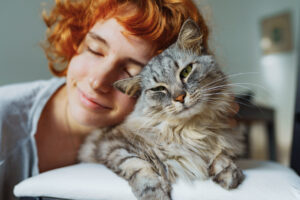
Cat owners have always suspected their pets were doing something to their brains, and it turns out they might be right. Scientists are finding genuine evidence that living with cats creates measurable changes in human brain chemistry and behaviour. Some of it’s lovely and beneficial, whilst other bits are properly unsettling. Your cat isn’t just a pet sitting on your sofa, it’s potentially rewiring how your brain works in ways you’d never notice on your own. Their purring might reduce your stress hormones. That rumbling sound cats make isn’t just pleasant, it might actually lower cortisol levels in your body. Studies show the frequency of cat purrs falls within a range that promotes healing and reduces stress in humans. Your body responds to those vibrations on a physical level. The purring creates a calming effect that goes beyond just finding the sound nice. Your brain registers it as soothing and your stress response actually decreases when you’re around a purring cat. Toxoplasma gondii changes how you process fear. Loads of cat owners carry this parasite without knowing it. It lives in cat faeces and gets into humans pretty easily. Once it’s in your brain, it actually alters the areas that process fear and anxiety. This parasite’s been linked to reduced fear responses and increased risk-taking behaviour. It literally changes your brain chemistry to make you less cautious. Some studies suggest it might even affect personality traits in the long run, making infected people more impulsive or less anxious about danger. Looking at cats triggers oxytocin release. When you look at your cat, your brain releases oxytocin, the same bonding hormone that gets released with human babies. It’s the chemical that makes you feel love and attachment. Your brain treats your cat like family. This creates a genuine chemical bond between you and your cat. It’s not just that you like them, your brain’s actively rewarding you for being near them. That oxytocin release reinforces the attachment and makes you want to care for them more. Their presence might lower your blood pressure. Having a cat around has been shown to reduce blood pressure in some people. Just petting them or having them nearby creates a measurable drop. It’s not massive, but it’s real and consistent. Your nervous system responds to the cat’s presence by shifting into a more relaxed state. The combination of physical touch, their warmth, and the general calm they project helps regulate your body’s stress response. Your brain interprets the cat as a sign everything’s safe. You might develop toxoplasma-related personality changes. Long-term toxoplasma infection has been associated with subtle personality changes. Infected people sometimes become more outgoing, more trusting, or less concerned with social rules. The changes are small but measurable. The parasite affects the areas of your brain involved in decision-making and social behaviour. It’s not turning you into a different person, but it might be nudging your personality in certain directions. You’d never notice it happening because it’s so gradual. Cat videos genuinely improve your mood. Watching cat content online isn’t just mindless entertainment, it actually triggers positive emotional responses in your brain. Studies show people feel happier and more energised after viewing cat videos, even if they were procrastinating. Your brain finds cat behaviour rewarding to watch. The playfulness, the unpredictability, the cuteness all activate pleasure centres. It’s a quick hit of positive feelings that your brain starts to crave, which is why cat content is so addictive online. Living with cats might affect your immune system. Being around cats exposes you to various microbes and allergens that train your immune system. Some research suggests this might reduce allergies and improve immune function, whilst other studies show it can create sensitivities. Your body’s constantly adapting to the cat’s presence. The exposure changes how your immune system responds to potential threats. It’s learning what to react to and what to ignore based on living with the cat long-term. Their nocturnal activity disrupts your sleep patterns. Cats are naturally active at night, and many owners end up matching that schedule to some degree. Your sleep gets fragmented by their movement, noises, or demands for attention. As time goes on, this affects your brain’s sleep chemistry. Disrupted sleep means your brain doesn’t get proper rest cycles. The constant light waking affects how your brain processes memories and regulates emotions. You adapt to broken sleep, but it still impacts your brain’s functioning, you just get used to feeling slightly off. You might become more tolerant of parasites. Regular exposure to cat-related parasites and bacteria might make your immune system less reactive over time. Your body stops seeing these things as major threats. You’re essentially building tolerance to stuff that would bother non-cat owners. This changes your baseline for what your body considers normal. Your immune response gets recalibrated around the presence of cat-related microbes. It’s not necessarily bad, but it does mean your body’s operating with different standards than before you had cats. Their independence affects your attachment style. Unlike dogs, cats don’t need constant attention. This trains your brain to find satisfaction in less obvious displays of affection. You learn to read subtle signals and feel rewarded by small gestures. Your brain adapts to getting affection on the cat’s terms. You become more comfortable with independence in relationships and better at reading minimal cues. The cat’s teaching your brain that love doesn’t have to be demonstrative to be real. You develop a heightened awareness of subtle sounds. Living with cats makes you hyper-aware of small noises. You’re constantly listening for them moving about, getting into trouble, or needing something. Your brain stays slightly more alert even when you’re trying to relax. This creates a low-level state of vigilance that becomes normal. Your auditory processing shifts to pick up quieter sounds. You’re never fully switched off because your brain’s always monitoring for cat-related cues, which affects how deeply you can rest. Their routine creates structure for your brain. Cats are creatures of habit, and they train

Science Says Cats May Alter Your Brain Chemistry in Some Big Ways Read More »

The Benefits of Crate Training Your Dog, According to Vets

Many dog owners think crate training looks restrictive, but most vets say the opposite. When it’s introduced properly, a crate can give a dog security, structure, and peace of mind. It mimics the den-like comfort they instinctively crave, creating a space that’s entirely their own. Far from being cruel, it can reduce anxiety, prevent bad habits and make daily life easier for both of you. If you want to make the process smooth and stress-free, here are 12 vet-approved benefits that show how a crate can genuinely improve your dog’s wellbeing. It helps create a sense of safety. Dogs are natural den animals. In the wild, they’d seek out small, enclosed spaces to rest where they feel safe from danger. A crate offers the same sense of comfort and control. It becomes their go-to spot when they need to switch off, retreat from noise, or recover after a long day. A familiar, predictable environment helps lower stress hormones, which means your dog learns to associate the crate with calm rather than confinement. Over time, they’ll start using it by choice, not because they’re told to. It reduces anxiety during travel. Car journeys can be overwhelming, especially for nervous or young dogs who aren’t used to the motion or noise. A crate provides a stable, enclosed space where they can relax safely. Instead of sliding around the car or barking out the window, they’re secure in a familiar setting. Once they associate their crate with comfort, travel becomes far less daunting. It’s one of the simplest ways to make holidays, vet visits or even quick drives a calmer experience for everyone involved. It makes house-training quicker. According to veterinary behaviourists, crate training is one of the most reliable ways to teach toilet habits. Dogs naturally avoid soiling where they sleep, so they quickly learn to control their bladder and wait until they’re taken outside. The key is consistency and timing. With a steady routine, your puppy begins to link the crate with cleanliness and structure. Doing it this way removes confusion and helps new dogs settle into household life with fewer accidents and less frustration. It prevents destructive behaviour. Left unsupervised, dogs often explore in ways that aren’t exactly safe: chewing furniture, scratching doors, or getting into things they shouldn’t. A crate keeps them out of trouble while you’re away or unable to watch them. Vets are clear that this isn’t punishment; it’s protection. When used for short, positive periods, it teaches boundaries and self-control. The result is a calmer, safer home and a dog that understands what’s off-limits without fear or confusion. It aids recovery after surgery or illness. Rest is incredibly important after any medical procedure, but it’s not something dogs do naturally. They want to move, play and greet everyone who walks by. A crate provides a contained, quiet space where they can rest without risking injury. Vets often recommend it for recovery because it offers both safety and predictability. The calm, consistent setting reduces stress, which supports faster healing. For owners, it’s peace of mind knowing your pet can’t overdo it while they’re on the mend. It supports multi-dog households. When you have more than one dog, crates can be a game-changer for harmony. They allow you to separate dogs during feeding, rest, or training without tension or drama. Each dog learns that they have their own space to relax, away from competition or resource guarding. As time goes on, this creates a calmer dynamic at home, especially during busy moments. Crate time becomes part of their rhythm, something predictable that keeps everyone feeling secure. It makes vet visits easier. For dogs who are crate-trained, being enclosed doesn’t feel scary or unfamiliar. This makes vet visits, and especially overnight stays, far less stressful. Dogs already associate the space with calm, so they’re more likely to rest quietly in a kennel or recovery area. It helps staff handle them safely and keeps their anxiety under control. A dog who’s used to a crate travels, waits, and heals better than one who sees confinement as punishment. It helps during house moves or new environments. Dogs thrive on routine, and big changes like moving house or visiting new places can unsettle them. Bringing the crate along gives them a piece of stability wherever they go. It smells like home and feels familiar, no matter what’s happening outside it. During stressful transitions, such as new homes, travel, or holidays, the crate acts like an anchor, helping them adapt more easily. When everything else changes, that sense of continuity can make all the difference. It teaches patience and self-settling. Dogs need to learn how to calm down on their own, and a crate helps them practise that skill safely. Instead of relying on constant attention or stimulation, they get used to relaxing quietly. This teaches emotional balance and makes it easier for them to cope when life’s a bit noisy or busy. When used consistently, the crate becomes part of their daily rhythm. It’s a signal that it’s time to rest, not perform. It’s a small thing that helps create a well-adjusted, confident dog. It keeps them safe in emergencies. In situations like storms, house repairs or evacuations, having a dog that’s comfortable in a crate can be a lifesaver. It prevents panic, escape, or injury when things get chaotic. Vets often point out that dogs trained to rest calmly in crates are easier to protect and transport in emergencies. For owners, it’s one less thing to worry about in a stressful moment. The crate becomes a built-in safety plan that both of you already understand. It reduces separation anxiety. Many dogs struggle when left alone, but a crate can help ease that stress when introduced gradually and kindly. It teaches them that being on their own doesn’t have to mean being afraid. Pairing crate time with soothing background noise, toys, or gentle routines builds independence. Eventually, the dog learns that solitude can feel peaceful rather than lonely. It’s not about

The Benefits of Crate Training Your Dog, According to Vets Read More »

12 Common Mistakes Many First-Time Pet Owners Make (and How to Avoid Them)

Bringing a pet home for the first time can be exciting, but it’s definitely a bit overwhelming, too. There’s a lot to think about, and it’s easy to miss things when you’re caught up in the idea of walks, cuddles, and funny moments. Whether you’ve just adopted a rescue cat or brought home a brand-new puppy, some slip-ups are more common than you’d think. And while you don’t need to be perfect, knowing what to watch out for can save you (and your pet) a lot of stress down the line. Here are some common mistakes first-time pet owners tend to make—and what you can do instead. Jumping in without doing proper research It’s easy to fall for a cute face in a shelter or get swept up in the excitement of a friend’s new litter. But not every pet suits every lifestyle. Some breeds need constant attention or high energy levels. Some are known for being loud, anxious, or a bit of a handful. It’s important to go beyond looks and actually learn about what a breed—or mix—might need day to day. That includes exercise, temperament, grooming, and health risks. If you don’t do this part properly, you can end up feeling overwhelmed or frustrated with a pet that simply isn’t a good match for your routine or household. Underestimating how much time it all takes Pets aren’t something you just fit in around your life—they’re part of your life. First-timers often imagine a dog who sleeps quietly when you’re busy and perks up at just the right time for a walk. But in reality, you’re on their schedule as much as they’re on yours. Puppies need toilet training every hour or so. Cats need regular feeding, playtime, and a clean litter box. Rabbits can’t just live in a hutch and be left alone all day. If you’re not ready for the daily demands, you might find yourself resenting the commitment. Thinking training is just for dogs Cats, rabbits, even guinea pigs—training isn’t just for canines. One of the biggest mistakes new pet owners make is assuming animals will just “figure it out” on their own. Whether it’s scratching furniture, biting hands, or constantly begging for food, most pets will push the boundaries if you don’t set any. Training is about teaching your pet what’s okay and what’s not. And it doesn’t have to be harsh—most pets respond well to calm, consistent guidance and rewards for doing the right thing. Letting bad habits slide in the early days It’s tempting to shrug off early behaviour that feels cute or harmless. A puppy chewing your slipper might make you laugh at first. A kitten jumping on counters might seem playful. But if you don’t stop these behaviours early, you’re teaching your pet they’re allowed. What’s sweet in a 10-week-old becomes frustrating in a full-grown animal. Set boundaries from the start, even if it feels like overkill at the time. Your future self will thank you. Not pet-proofing your home properly Just like toddlers, pets are curious and often have no idea what’s dangerous. Electrical cords, toxic houseplants, certain foods, small objects, cleaning supplies—the list of potential risks is long. First-time owners often assume a pet will just leave things alone, but that’s rarely the case. If it’s chewable, sniffable, or looks remotely like food, it’s probably going in their mouth. Taking time to make your home safer—before your pet even walks through the door—can stop disasters before they happen. Overfeeding without meaning to Pet food labels can be confusing, and a lot of people give extra treats without realising how quickly it adds up. A dog that’s just 5kg overweight isn’t “a bit chunky”—it’s carrying strain on its joints, heart, and organs. The same goes for cats, rabbits, and even hamsters. People love to show affection with food, but most pets don’t need nearly as much as you think. If your pet is getting rounder, it’s not cute—it’s a health issue. A proper feeding routine, with measured portions and limited extras, keeps them healthy and avoids future vet bills. Skipping socialisation in the early months If you’ve got a puppy or a young animal, those early months are a prime time for social learning. It’s when they figure out what’s scary, what’s safe, and how to respond to the world around them. First-timers often wait too long, either because they’re nervous or they think they’ll do it “later.” But that window closes quickly. Without good social experiences early on—new people, dogs, environments, and noises—some pets grow up anxious or reactive. You don’t have to throw them into chaos, but gradually introducing new things can build confidence that lasts a lifetime. Delaying the first vet visit It’s easy to put it off, especially if your pet seems healthy. But that initial vet check does more than just give peace of mind. It starts a health record, gives you advice tailored to your pet, and allows early problems to be picked up. It’s also a good time to discuss vaccinations, neutering, microchipping, and parasite prevention. The sooner you get this sorted, the smoother everything else tends to go. And it helps your pet get used to the vet while they’re still young and flexible. Assuming pets can be left alone all day Some people get a pet and go straight back to their usual schedule—out the door for work at 7am, back at 6pm. That doesn’t work for most animals. Dogs can get anxious or destructive if left too long. Even cats, who are more independent, need stimulation and company. It’s not fair to expect any pet to sit alone for ten hours a day. If your lifestyle means you’re rarely home, a pet might not be the right decision just yet—or you’ll need to look at pet sitters, dog walkers, or day care options. Getting caught up in online advice There’s no shortage of opinions online about what you should be doing as a pet owner. Raw food debates, crate

12 Common Mistakes Many First-Time Pet Owners Make (and How to Avoid Them) Read More »

The 14 Dog Breeds Thieves Want (And Take) the Most

Dog theft is sadly more common in the UK than most people realise, and it’s not always random. Certain breeds are targeted again and again because they’re valuable, easy to sell, or in high demand for breeding. For many owners, the idea of someone stealing their dog feels unthinkable, but it happens in parks, from gardens, and even outside shops in broad daylight. Knowing which breeds are most at risk shouldn’t cause panic, but it should raise awareness. Some dogs attract the wrong kind of attention, and being informed is the best way to keep them safe. 1. French Bulldogs These dogs sell for thousands of pounds, making them incredibly profitable to steal and resell quickly. Their small size makes them easy to grab, and their friendly nature means they won’t put up much of a fight. Frenchies are so in demand that thieves can sell them within hours, often to buyers who don’t ask questions. That combination of high value and portability makes them prime targets everywhere. 2. English Bulldogs Like their French cousins, English Bulldogs command high prices due to breeding difficulties and popularity. They’re stocky but not particularly defensive, making them relatively easy to steal despite their size. Thieves know these dogs are expensive, and that owners often pay substantial ransoms to get them back. That makes them valuable whether sold on or held for ransom. 3. Staffordshire Bull Terriers Staffies get stolen primarily for dog fighting rings or as status symbols in certain communities. Their muscular build and reputation, deserved or not, makes them attractive to people involved in illegal activities. These dogs are also bred illegally after being stolen, with puppies sold for profit. The theft isn’t usually about ransom, but about exploiting the breed for criminal purposes. 4. Chihuahuas Despite being tiny, Chihuahuas are frequently stolen because they’re easy to conceal and transport. Their popularity and the prices breeders charge make them worth the minimal effort required to take them. You can slip a Chihuahua into a bag or under a coat within seconds. That ease of theft combined with decent resale value makes them surprisingly common targets. 5. Yorkshire Terriers Yorkies are small, valuable, and extremely popular, ticking all the boxes for thieves. They’re also often owned by elderly people, who may be less able to physically stop a theft. These dogs sell well both as pets and for breeding purposes. Their size means stealing one is quick and low risk compared to larger breeds. 6. Pomeranians The cute factor and high price tag on Pomeranians make them attractive targets. Like other small breeds, they’re easily grabbed and hidden, making the actual theft simple to execute. Social media has increased their popularity massively, which in turn has increased theft rates. Thieves know there’s a ready market of people wanting these fluffy dogs. 7. Labrador Retrievers Labs are one of the most popular family dogs, which means there’s always demand for puppies. Adult dogs get stolen for breeding, while puppies can be sold quickly to unsuspecting buyers. Their friendly temperament works against them security wise because they’ll happily go with strangers. That trusting nature makes them easier to steal than more naturally suspicious breeds. 8. Cocker Spaniels These dogs remain consistently popular and therefore valuable, especially puppies. They’re small enough to be manageable for thieves, but large enough to sell for decent money. Cockers are also frequently used for breeding scams, where stolen dogs produce puppies sold to the public. The breed’s popularity ensures those puppies sell fast. 9. Pugs Pugs have exploded in popularity over recent years, making them both expensive and easy to sell on. Their small size and friendly nature make them simple targets for opportunistic thieves. Social media trends have increased demand dramatically, which thieves exploit. People wanting fashionable dogs often don’t ask too many questions about where they came from. 10. German Shepherds Unlike small breeds stolen for resale, German Shepherds often get taken for use as guard dogs or in illegal activities. They’re also valuable for breeding, with puppies selling for high prices. Well-trained German Shepherds are particularly attractive to thieves because the training adds value. These dogs can be sold to people wanting protection without doing the work of training themselves. 11. Border Collies Working collies are valuable to farmers and rural communities, making them theft targets in countryside areas. Trained dogs especially can sell for substantial amounts to people needing working animals. Puppies from good bloodlines are also stolen and sold as potential working dogs or expensive pets. The breed’s intelligence and trainability maintains high demand and therefore theft rates. 12. Jack Russell Terriers These small but feisty dogs get stolen surprisingly often, partly for their popularity and partly for use in illegal hunting activities. They’re also easy to steal due to their size despite their aggressive temperament. Jack Russells are hardy and require relatively little care, making them appealing for thieves who might hold them before selling. Their popularity ensures buyers aren’t hard to find. 13. Dachshunds Miniature Dachshunds especially are frequently targeted due to their designer dog status and high prices. They’re small, portable, and trendy, which makes them perfect for thieves operating quickly. The breed comes in various coat types and colours, with rare variations commanding even higher prices. Thieves know which types are most valuable and target accordingly. 14. Shih Tzus These small companion dogs are popular with older owners and families, maintaining steady demand that thieves exploit. Their manageable size and non-aggressive nature make pretty straightforward when it comes to theft.  Shih Tzus are also stolen from gardens and even homes because they’re unlikely to raise much alarm or put up resistance. Because they’re so easy to grab and take, they tend to stay high on the theft list.

The 14 Dog Breeds Thieves Want (And Take) the Most Read More »

The Cat Breeds That Live the Longest (and the Ones That Don’t)

Some cats seem to stay youthful for what feels like forever, while others age much faster. Genetics, lifestyle, and even personality can all play a part in how long a cat lives, and some breeds naturally have the odds stacked in their favour. Knowing which cats tend to live longest can help owners understand what really contributes to a healthy, happy feline life. At the same time, there are breeds that sadly don’t have the same lifespan, often due to health issues passed down through generations. Looking at both ends of the spectrum gives a clearer picture of how different breeds age and what can be done to help them live longer, more comfortable lives. Siamese cats are famously long-lived. Siamese cats are one of the oldest and longest-living breeds around. Many reach 18 to 20 years old, and a few have even made it past 25. Their lean build and active nature seem to keep them healthier for longer. They do best with mental stimulation and strong human bonds, so the more attention they get, the happier they stay. In the UK, Siamese cats often top vet lists for longevity thanks to good breeding and balanced diets. Burmese cats are full of energy and endurance. Burmese cats often live 16 to 18 years, sometimes longer. They’re naturally sturdy with strong immune systems and rarely struggle with the health issues that affect many purebred cats. Because they’re sociable and playful, they stay active well into old age. UK owners often say their Burmese cats still act like kittens even after a decade, which helps them stay fit and alert for longer. Russian blues are calm, healthy, and long-living. Russian blues are known for their sleek silver coats and quiet, affectionate personalities. They’re generally healthy cats with few genetic problems, often living between 15 and 20 years. They tend to be low-stress pets, which may add years to their lives. Their simple, relaxed nature makes them easy to care for, and UK vets regularly rank them among the healthiest pedigree breeds. Maine coons are big, but surprisingly long-lived. As one of the largest domestic breeds, you might expect Maine coons to age quickly, but many live between 13 and 16 years. With proper diet and care, they can reach their late teens comfortably. They’re prone to heart disease, so regular check-ups are important. Still, many UK owners find that Maine coons remain gentle giants with a strong lifespan compared to other big breeds. Balinese cats are a hardy relative of the Siamese. Balinese cats, with their silky fur and striking blue eyes, share much of their DNA with Siamese cats. That means they also share the same tendency for longevity, with many living 18 years or more. They’re intelligent, vocal, and athletic, so they need regular play and attention. In return, they reward owners with strong bonds and long, happy lives that easily stretch beyond the average cat lifespan. British shorthairs are steady and dependable. As one of the UK’s most beloved breeds, British shorthairs usually live 14 to 17 years. They’re sturdy and adaptable, with fewer inherited diseases than many purebred cats. Their calm personality helps too, as stress can shorten a cat’s life. They enjoy predictable routines, moderate exercise, and cosy naps, all of which support steady, healthy ageing. Ragdolls are gentle giants with moderate lifespans. Ragdolls are affectionate and laid-back, but their large size means their lifespan is often shorter, averaging 12 to 15 years. They’re prone to heart issues and kidney disease, so regular vet visits are crucial. Despite this, well-cared-for ragdolls often live happy, peaceful lives well into their teens. Many UK owners say they age gracefully thanks to their calm temperament and low stress levels. Bengals are active cats that age quickly. Bengal cats are energetic and athletic, but their high metabolism can work against them as they age. Most live between 12 and 15 years, though some reach 17 with excellent care. They’re prone to digestive and joint issues, which can shorten their lifespan if not managed. Still, their lively nature and strong muscles mean they stay agile right into their senior years. Persians are beautiful but delicate. Persian cats are known for their long, glamorous coats and sweet temperaments, but their short noses and flat faces cause breathing and eye problems. Most Persians live around 12 to 14 years. With careful grooming and regular vet care, they can live longer, but in general, they’re one of the more high-maintenance breeds in the UK. Their health relies heavily on responsible breeding and consistent home care. Sphynx cats are fragile but full of personality. Sphynx cats might look strong and sleek, but their lack of fur leaves them sensitive to temperature changes and skin issues. They usually live 10 to 14 years, though some reach 15 with proper care. Because they need warmth and regular cleaning, owners have to stay on top of their routines. Still, their loving, playful energy often makes up for their shorter lifespan. Scottish folds are charming but at risk of joint issues. Scottish folds are adored for their folded ears and round faces, but the same gene that causes those traits can lead to painful bone and joint problems. They tend to live around 11 to 14 years. Responsible breeders test for these issues to improve lifespan, but many UK vets caution that fold breeds need extra monitoring. With the right care, they can still enjoy long, happy lives, just with more attention to comfort. Abyssinians are active cats with shorter lifespans. Abyssinians are bright and athletic, always climbing or exploring. Their adventurous nature makes them great companions, but it also means they’re prone to accidents and stress-related illness. Most live between 10 and 13 years. With indoor living and proper care, they can exceed expectations, but in general, Abyssinians have slightly shorter lifespans than calmer breeds like British shorthairs or Russian blues. Oriental shorthairs are slim and long-lived. These elegant cats, related to the Siamese, often live between

The Cat Breeds That Live the Longest (and the Ones That Don’t) Read More »

Hidden Signs Your Pet Has Been Poisoned to Notice Before It’s Too Late

Most pet owners think they’d notice right away if something was wrong, but poisoning can be subtle. Animals can’t tell you when they’ve eaten something dangerous, and early symptoms often look like simple tiredness or an upset stomach. Whether it’s food, plants, or cleaning products, even a small amount can become serious quickly. Here are some of the hidden signs your pet may have been poisoned and what to look out for before it’s too late. If you notice any of these, especially in combination, get them to a vet straight away. Even if it turns out to be nothing, it’s much better to be safe than sorry. 1. Sudden vomiting or diarrhoea One of the first signs of poisoning is stomach upset. If your pet starts vomiting or having diarrhoea suddenly, especially more than once, it could mean they’ve eaten something toxic. Watch for unusual colours or blood in their vomit or stool. Don’t assume it’s a minor issue, as some toxins act fast and can become life-threatening within hours. 2. Excessive drooling Cats and dogs drool a little when they smell food, but heavy and constant drooling can signal poisoning. Many household chemicals and certain plants trigger excessive saliva. Check your pet’s mouth for swelling, redness, or burns. If you see irritation, it could mean they’ve licked or chewed something harmful. 3. Unsteady walking or loss of balance Toxins can affect the nervous system quickly. If your pet starts stumbling, walking in circles, or seems dizzy, it’s a serious warning sign. Even mild imbalance shouldn’t be ignored. These signs mean their coordination and reflexes are being affected, which can worsen without treatment. 4. Tremors or shaking Poisoning from chocolate, caffeine, or pesticides often causes muscle tremors or full-body shaking. These substances overstimulate the nervous system. It might start as small twitches but can progress quickly. Keep your pet calm and contact your vet immediately for advice. 5. Sudden tiredness or collapse When a pet becomes unusually quiet, weak, or unable to stand, poisoning could be to blame. Some toxins lower blood pressure or interfere with oxygen in the blood. If your normally lively pet seems lifeless or struggles to move, treat it as urgent. Rapid-onset fatigue is rarely harmless. 6. Refusal to eat or drink Loss of appetite can be one of the earliest signs of illness. If your pet suddenly avoids food or water, it may be nausea caused by toxins. Pay attention if this lasts longer than one meal. Combine that clue with any other unusual symptoms to decide how quickly to act. 7. Changes in pupils Pupil size can reveal a lot about poisoning. Certain toxins make pupils shrink too much or stay wide open even in bright light. If one pupil looks different from the other or their eyes seem glazed, something is affecting their nervous system. Get professional help straight away. 8. Pale, yellow, or bluish gums Your pet’s gums can show how their organs are coping. Pale gums might mean poor circulation, while blue or yellow gums suggest organ stress or failure from toxins. Healthy gums should be pink and moist. Any major change in colour is a sign that their body isn’t processing oxygen or blood properly. 9. Heavy panting or trouble breathing Fast or shallow breathing can point to poisoning, especially with chemicals that affect the lungs or blood oxygen levels. Fluids can also build up in the lungs as toxins spread. If your pet’s breathing seems laboured or noisy, don’t delay. They need immediate medical care to prevent collapse or respiratory failure. 10. Seizures or convulsions Seizures happen when the brain becomes overstimulated by chemicals such as rat poison or human medication. They can start suddenly and become violent. If your pet begins jerking, stiffening, or losing awareness, clear the area to prevent injury and call a vet at once. They’ll need emergency treatment to stop the reaction. 11. Unusual behaviour or confusion Poisoning can make pets act strangely. They might seem anxious, fearful, or spaced out as toxins affect their brain and coordination. Look for restlessness, pacing, or staring into space. If their behaviour changes rapidly, and you can’t explain it, it’s safest to assume something’s wrong. 12. Excessive thirst or urination When poisons affect the kidneys, your pet may start drinking and urinating more than normal. You might also notice accidents in the house or unusually strong-smelling urine. This often happens with antifreeze or plant poisoning. It’s a clear sign their body is struggling to process toxins and needs help fast. 13. Nosebleeds or bruising Rat poison and other anticoagulant toxins stop blood from clotting. This leads to bleeding gums, nosebleeds, or bruises that appear for no reason. Even if you don’t see bleeding outside, it could be happening internally. If your pet seems weak or breathless, it may already be serious. 14. Strange smells or residue around the mouth Some toxins, such as household cleaners or chemicals, leave a strong smell or white residue around the mouth. You might also see burns or irritation on the lips or tongue. If their breath smells odd, sour, or chemical-like, don’t ignore it. It could be a sign they’ve licked or bitten something dangerous. 15. Restlessness or pacing Before severe symptoms appear, pets often act restless or anxious. They may pace, whine, or change position repeatedly because they feel unwell or uncomfortable. This behaviour might come and go, but it’s an early warning. Try to recall what they’ve eaten or been near in the past few hours, and call for advice if you’re unsure. If you suspect poisoning, act immediately. Call your vet or contact Animal PoisonLine on 01202 509000 for expert advice. The line is open 24 hours a day and run by veterinary poison specialists who can tell you what to do next. They’ll advise whether your pet needs urgent treatment or if it’s safe to monitor at home. Never wait to see if symptoms improve, as quick action can be the difference between recovery and

Hidden Signs Your Pet Has Been Poisoned to Notice Before It’s Too Late Read More »

House Cat vs Wildcat: The Surprising Strength Difference

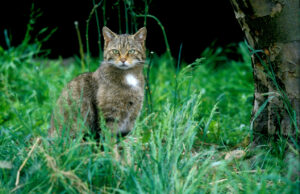
At a glance, a house cat and a wildcat don’t look worlds apart. They have the same general shape, same sharp eyes, and same ability to stare at you like you’ve personally offended them. One sleeps on your sofa, the other lives in forests and scrubland, but people often assume the difference stops there. In reality, the strength gap between the two is far bigger than most expect. Domestic cats are impressive in their own right, but wildcats are built for a completely different life. Their bodies, muscles, instincts, and sheer physical power are shaped by survival, not comfort. When you dig into how strong each really is, it becomes obvious just how much living in the wild changes what an animal is capable of, even when the species looks almost the same on the surface. Wildcats have denser muscle packed into the same frame. At a quick glance, a wildcat doesn’t look wildly bulkier than a house cat, which is exactly why people underestimate them. The difference sits under the fur. Wildcats carry a much higher percentage of lean muscle, especially across the shoulders, thighs, and core because their bodies are built through constant use rather than short bursts of play. Every stalk, chase, climb, and kill reinforces that muscle in a way a domestic cat simply never experiences. House cats can be strong for their size, but their strength is optional rather than essential. If they skip a day of activity, nothing bad happens. For a wildcat, muscle isn’t a bonus feature, it’s survival equipment. Miss a meal, fail a hunt, or lose strength, and the consequences show up fast. Bite force is far stronger in wildcats. A wildcat’s jaw isn’t just sharp, it’s powerful in a very deliberate way. Their bite has to end a struggle quickly, often against prey that’s thrashing, kicking, or trying to escape. That need shapes everything from jaw muscle size to skull structure, creating a bite that’s efficient, controlled, and decisive. Domestic cats still bite, but they rarely need to commit their full force. Most of their food doesn’t fight back, and even when they hunt, the stakes are lower. Over time, that difference adds up. Wildcats don’t have the luxury of half-effort when it comes to their jaws. Forelimb strength is built for grappling, not batting. Watch how a wildcat uses its front legs and you’ll see the contrast straight away. These limbs aren’t just quick, they’re powerful enough to grab, hold, and control another animal mid-fight. Their forearms and shoulders work together to pin prey while the rest of the body does its job. House cats use their front paws more for balance, climbing, and light hunting. Even when they catch something, it’s usually over quickly. Wildcats deal with resistance regularly, and their limbs reflect that reality. Strength isn’t theoretical for them, it’s tested constantly. Shoulder structure gives wildcats more raw power. The shoulder girdle of a wildcat is thicker and more reinforced, which matters more than most people realise. Strong shoulders mean stronger lunges, more controlled landings, and the ability to carry struggling prey without losing balance. That extra stability translates directly into power. Domestic cats are built with flexibility as the priority. That’s why they twist, squeeze, and climb so effortlessly. Wildcats still have flexibility, but their shoulders are designed to handle force first and finesse second, because brute strength often decides the outcome in the wild. Neck muscles are built to control struggling prey. A wildcat’s neck looks deceptively ordinary until you see it in action. Those muscles are doing serious work, holding prey steady, resisting violent movement, and keeping teeth exactly where they need to be. That strength also offers protection during fights with rivals or predators. House cats rarely need that level of control. Even outdoor hunters usually deal with smaller, weaker prey. Without constant resistance, those neck muscles never reach the same level of development, no matter how active the cat seems at home. Bone density is higher in wildcats. Muscle is only half the story. Wildcats also have denser, tougher bones, which allow them to absorb repeated impacts without injury. Leaping, landing, climbing with weight, and fighting all put stress on the skeleton, and wildcats are built to handle it day after day. Domestic cats still have impressive skeletal strength, but their bones aren’t reinforced by constant high-risk movement. Falls from a sofa or climbing frame don’t compare to the physical demands of life outdoors, where every misstep can hurt or kill. Grip strength is noticeably different. A wildcat’s grip isn’t just about sharp claws, it’s about what sits underneath them. The muscles in their paws and forearms are built to hold onto prey that’s twisting, kicking, and actively trying to escape. Once a wildcat clamps down, letting go isn’t easy, even if the prey is strong or panicking. House cats have excellent grip for climbing curtains, scaling fences, or clinging to the back of the sofa like their life depends on it. But that grip isn’t regularly tested against resistance. Toys don’t fight back, and scratching posts don’t struggle, so the muscles never develop the same crushing strength. Back legs deliver more explosive force. Wildcats rely heavily on their hind legs to survive. Those legs aren’t just for jumping onto things, they’re for launching full-body attacks, escaping danger in seconds, and covering ground fast when a hunt goes wrong. That repeated demand builds powerful muscle that can release energy instantly. Domestic cats can jump impressively high, but they don’t need to do it repeatedly under pressure. Their leg strength is built for agility and short bursts, not repeated, full-power launches that decide whether they eat or go hungry. Endurance plays a role in overall strength. Strength isn’t just about how hard you can hit once. It’s about how long you can keep going when things don’t end quickly. Wildcats spend long periods moving, stalking, circling territory, and tracking prey before any payoff happens. House cats work in short bursts followed by

House Cat vs Wildcat: The Surprising Strength Difference Read More »

Your Pet Dog Has More Wolf in It Than You Think

It’s easy to look at a pug or a golden retriever and think they couldn’t be further removed from the wild predators that haunt the forest. We’ve spent thousands of years breeding dogs to be our companions, coworkers, and bed-warmers, changing their appearance and temperament to fit perfectly into our living rooms. We like to think of them as furry humans in little coats, but if you look past the wagging tail and the begging for treats, you’ll find that the domestic dog is still running on some very ancient software. The connection between your pet and its wild ancestors isn’t just a bit of trivia about DNA; it’s baked into how they see the world, how they communicate, and even how they play. From the way they shake a squeaky toy to the reason they circle three times before lying down, their daily habits are often direct echoes of survival strategies used by wolves for millennia. You might think you’ve completely civilised your four-legged friend, but the reality of their biology tells a different story. These 14 ways your dog is still a wolf at heart show that the wild is much closer than it looks. They’re still hard-wired to watch group dynamics. Wolves survive by paying close attention to who’s doing what in the pack. Dogs haven’t lost that instinct. Your dog is constantly reading the room, noticing tone shifts, body language, and patterns in behaviour, even when you think they’re half asleep. That’s why dogs often react before anything obvious happens. They sense tension, excitement, or changes in mood quickly because their brains evolved to track social dynamics for safety and survival. It isn’t magic or intuition, it’s ancient awareness still doing its job. They instinctively look for leadership and structure. Despite how independent some dogs seem, they’re deeply uncomfortable with chaos. Wolves rely on clear structure within the pack, and dogs carry that need with them. They feel safer when routines exist and expectations are consistent. When dogs act out, it’s often because the structure around them feels unclear. That doesn’t mean harsh control or dominance. It means predictable boundaries, calm guidance, and a sense that someone else is handling the big decisions so they don’t have to. Their body language is more wolf than we realise. Tail position, ear movement, posture, and eye contact all come straight from wolf communication. Dogs are constantly talking with their bodies, even when humans miss it. A stiff stance, a turned head, or a slow blink can mean far more than barking ever does. Wolves relied on subtle physical signals to avoid conflict and conserve energy. Dogs still do the same, even if we’re not fluent in the language. They’re wired to patrol territory. Wolves don’t roam randomly. They patrol, monitor, and protect defined areas. Dogs show this instinct every time they bark at the postie, stare out the window, or do the same route on walks with total seriousness. That behaviour isn’t just noise or habit. It’s a leftover survival instinct telling them to keep track of what enters and exits their space. Even the smallest lap dog often believes it has a territory worth defending. They’re emotionally tuned to pack belonging. Wolves do not survive alone. Connection to the pack is essential, and dogs carry that emotional need strongly. That’s why separation can be so distressing for them, even if it seems dramatic to us. Dogs aren’t just attached because we feed them. They bond because their ancestors depended on closeness for safety and survival. Being part of a group isn’t a bonus for them, it’s a core emotional requirement. They still have chase instincts buried inside. No matter how well trained a dog is, sudden movement can flip a switch. A squirrel, bird, or fast-moving object taps straight into ancient hunting reflexes shared with wolves. This doesn’t mean your dog wants to hunt for food. It means the wiring is still there. Wolves survived by reacting fast, and dogs haven’t lost that reflex, even if it’s now more inconvenient than useful. They’re sensitive to hierarchy without understanding power. Wolves understand roles, not dominance in the cartoon sense people often imagine. Dogs respond to calm authority and consistency, not fear or force. They watch who controls resources, routines, and safety. That’s why dogs often gravitate toward the person who feels emotionally steady. It mirrors how wolves rely on stability within the pack rather than aggression. They process stress in very physical ways. Wolves release stress through movement, rest, and social closeness. Dogs do the same. Pacing, chewing, zoomies, and sleep shifts are often stress responses, not bad behaviour. When dogs don’t get outlets for physical movement or emotional safety, that wolf nervous system has nowhere to discharge energy. Understanding this makes their behaviour feel less random and more logical. They still rely heavily on scent over sight. Wolves experience the world through smell first, and dogs absolutely do too. What looks boring to us is information-rich to them. A walk isn’t exercise alone. It’s news, context, and reassurance. Sniffing helps dogs understand their environment in the same way wolves track territory, pack members, and threats through scent. They haven’t lost their instinct to bond deeply. Wolves form strong, lasting bonds within the pack. Dogs bring that same emotional capacity into human homes. That’s why dogs grieve, pine, celebrate, and show loyalty in ways that feel almost human. They’re not just pets playing a role. They’re social animals with ancient emotional systems that still expect connection, safety, and belonging. Under the collar and cuddles, that wolf bond instinct is still very much alive. Your dog isn’t a wolf pretending to be a pet, but they aren’t a blank slate either. They’re a modern animal carrying old instincts into a new world, doing their best to adapt while still running on software that’s been around for thousands of years.

Your Pet Dog Has More Wolf in It Than You Think Read More »

What to Do When Your Cat Is Seriously Overweight

It’s easy to look at a chunky cat and think they’re just well-fed, but carrying that extra weight is a massive health gamble that eventually cuts their life short. A heavy cat isn’t a happy one; they’re usually struggling with joint pain, breathing issues, or a looming diabetes diagnosis that could’ve been avoided. You might feel like a villain for cutting back on the treats or ignoring those early morning meows for a snack, but you’re actually saving them from a lot of unnecessary suffering. Getting a cat back to a healthy size takes a lot of discipline on your part because they’ll definitely try to guilt-trip you into overfeeding them. These 12 steps will help you move the needle on their weight without making their life (or yours) completely miserable. Accept that “a bit chubby” still counts. A lot of overweight cats don’t look extreme, especially if they have thick fur or a naturally solid build. Extra fat hides easily, and by the time it’s obvious, the body’s already been carrying the load for a while. If you struggle to feel ribs under a gentle touch or your cat has no visible waist from above, weight is likely an issue. Facing that can feel uncomfortable because food is tied to care and affection. Accepting it isn’t supposed to make you feel guilty or judged, but it’s necessary for giving your cat the chance to feel better while changes can still be gentle. Get a real weight number, not a visual guess. Cats are hard to judge by sight alone. A proper weigh-in gives you something concrete to work with and removes a lot of uncertainty. Even small changes matter with animals this size. Once you know where you’re starting, progress becomes calmer and more controlled. It helps you avoid panic decisions or overcorrecting out of worry. Stop leaving food down all day. Free-feeding makes weight control almost impossible. Many cats eat out of boredom or routine rather than hunger, especially indoor ones. What feels like harmless nibbling often adds up to far more than you realise. Set meal times make intake visible and predictable. Most cats actually settle better when they know when food is coming instead of grazing constantly. Measure portions every time. Eyeballing food almost always leads to overfeeding. Dry food especially is easy to underestimate, and just a little extra each day builds up quickly. Cat food is designed to be calorie-dense. Measuring removes emotion from feeding. It turns it into a simple, consistent habit rather than a guess driven by how hungry your cat seems in the moment. Take a hard look at treats. Treats are often the hidden culprit, especially in households where more than one person feeds the cat. Even small treats given regularly can cancel out careful portion control. Cutting back doesn’t mean removing enjoyment. Many cats are just as happy with play, brushing, or attention. Food doesn’t have to be the only way you show care. Switch to food that supports weight loss properly. Not all cat food is suitable for overweight cats. Some standard formulas pack too many calories for cats who spend most of their time indoors. Weight-control options are designed to help cats feel full on fewer calories. The aim isn’t to leave your cat hungry. It’s to support slow, steady weight loss without stress or constant begging. Encourage movement in ways that feel natural. You can’t force a cat to exercise, but you can invite it. Short bursts of play that mimic hunting tend to work best. Chasing, pouncing, and stalking tap into instincts rather than feeling like effort. Even a few minutes at a time makes a difference. Movement helps with weight, mobility, and mood, all at once. Make meals slightly more active. Food puzzles, slow feeders, or spreading food across different spots turn eating into a small activity instead of a passive habit. This slows down fast eaters and adds movement without pressure. It also makes meals more satisfying. Many cats seem calmer when they’ve had to work a little for their food. Be realistic with older or less mobile cats. Older cats or those with joint pain won’t suddenly become energetic. Weight loss is still important, but it needs to be gentle and adjusted to what they can handle comfortably. In these cases, diet changes matter most. Even modest weight loss can noticeably improve comfort and mobility. Pay attention to why your cat is eating. Cats don’t only eat because they’re hungry. Stress, boredom, routine changes, or lack of stimulation can all drive food-seeking behaviour. Weight gain often follows upheaval in the home. Adding structure, enrichment, and attention can reduce fixation on food. A mentally engaged cat is less likely to overeat out of habit. Track progress without obsessing. Safe weight loss in cats is slow. Rapid drops can be dangerous and stressful for their bodies. Checking weight every few weeks is enough to see trends without creating anxiety. Plateaus happen and don’t mean failure. The goal is steady improvement, not speed. Avoid drastic food cuts. Severely reducing food can cause serious health problems in cats. Their bodies don’t cope well with sudden restriction, even when weight loss is needed. Gradual changes protect their liver and overall health. Consistency beats extremes every time. Treat this as a long-term change, not a quick fix. Helping an overweight cat isn’t a temporary project. It’s about building habits that keep them comfortable, mobile, and healthier as they age. Small, steady changes done consistently matter far more than short bursts of effort. The goal is a better quality of life, not a number on a scale.

What to Do When Your Cat Is Seriously Overweight Read More »